

What problems do filamentous bacteria cause?
Foaming in the biological tank
Filamentous bacteria can cause foaming, especially if fats and oils are present in the wastewater. The foam can accumulate on the water surface of the biological tank, leading to blockages, reduced oxygen transfer and even equipment damage. This also complicates visual inspection and monitoring of the process.
Poor sludge sedimentation in the clarifier
The filamentous structure causes the flocs of activated sludge to become less compact. This reduces the sludge settling rate in the post-settling tank, creating what is known as a bulking situation. The sludge continues to float instead of sinking to the bottom, which can lead to overflow of sludge into the effluent.
Excessive suspended solids in effluent
Poor sedimentation and foaming increase the suspended solids content in the final effluent. This directly affects water quality and can result in failure to meet discharge standards. In addition, it can disrupt downstream processes such as tertiary treatment.
The traditional method of light sludge control, in addition to adjusting a number of process parameters (such as oxygen levels and aeration regimes), consists of dosing flocculants to coagulate the sludge so that it becomes heavier and settles in the clarifier. Despite being an effective way to reduce suspended solids in the effluent, dosing flocculant does not solve the light sludge problem. The portion of the sludge that is returned to the biological reactor still contains filamentous bacteria and if the growth factors for these bacterial strains are still present in the biological reactor they will again overgrow the flocculant forming bacteria. Over time, the problem may worsen with prolonged flocculant dosing as the people-forming bacteria eventually disappear from the sewage sludge.
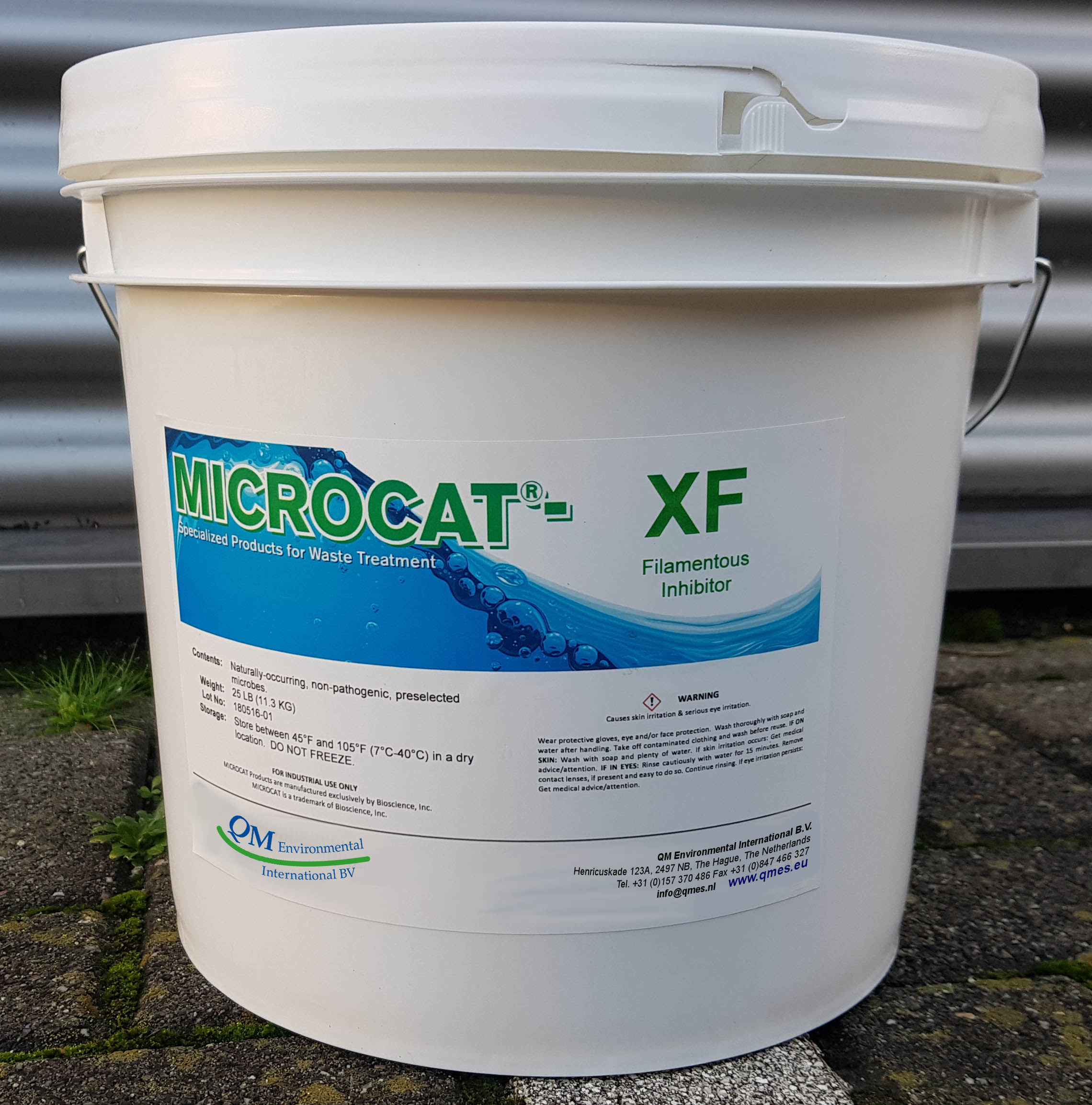
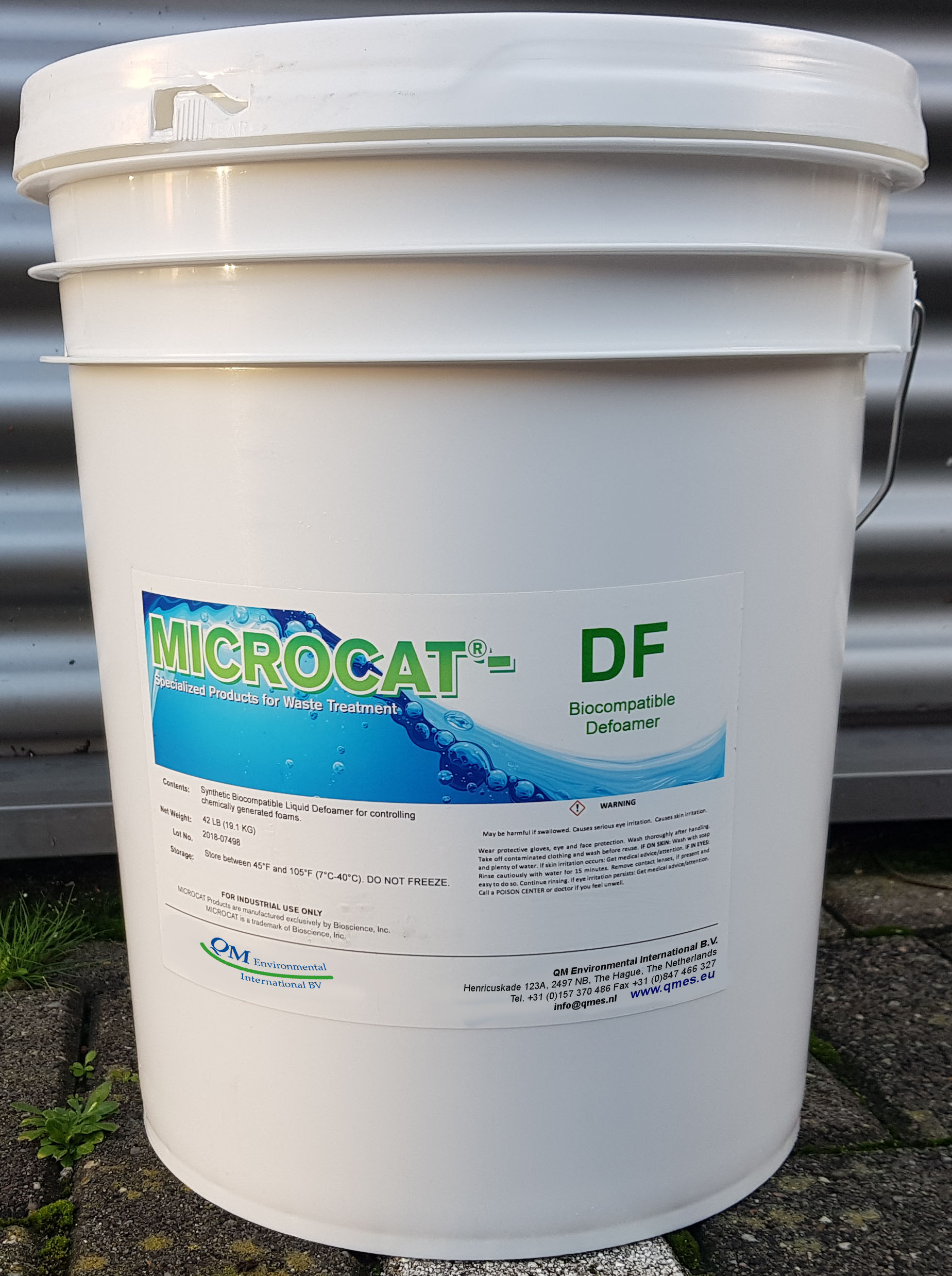
QM Environmental International provides a suite of microbial products for controlling filamentous bacteria and reintroducing people-forming strains. For foaming due to filamentous bacteria, we supply a unique antifoam agent that is very effective on the tough foam formed by Nocardia species.
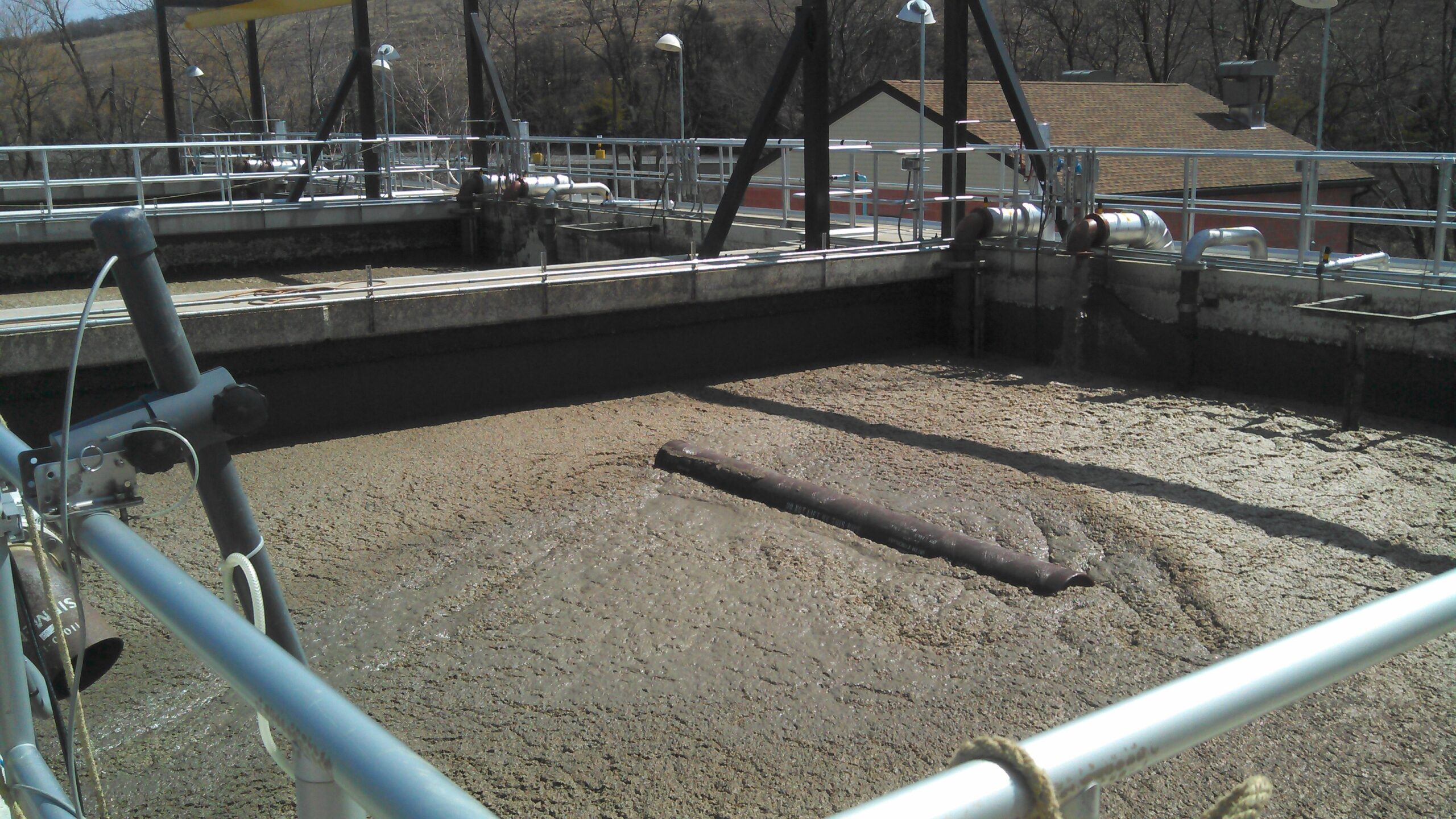
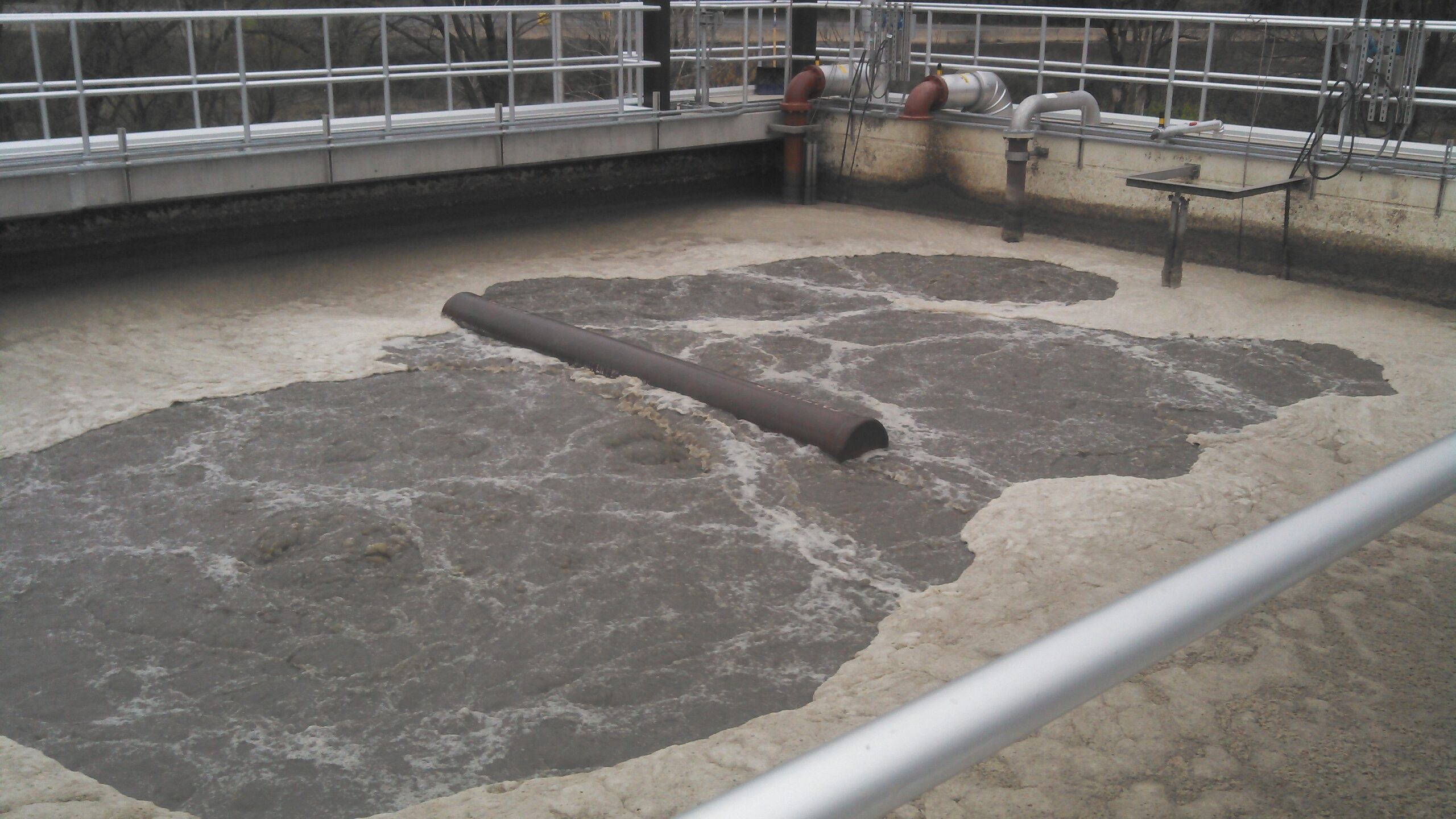
MicroCat® solutions for bulking sludge & foaming.
To determine if MicroCat®can provide a solution for your wastewater treatment, we need some data on the wastewater composition and treatment system. Below you can download the system information form, fill it out and return it to us. We will make a proposal without any obligation.
If your wastewater treatment plant regularly suffers from light sludge formation, then preventive dosing of MicroCat® products is an effective way to avoid these problems. The bacteria in the MicroCat® products effectively compete with the wire-forming bacteria for the nutrients present on which the wire-formers grow. With more effective removal of these nutrients, the filamentous formers have no chance to overgrow the system.
MicroCat® products used for these applications include:
- Food industry & Sewage Treatment: MicroCat® -SXMRF & DNTRF
- Paper & board industry: MicroCat® -XP
- (Petro)Chemical industry: MicroCat® -HX, XR & HT
- Oil refineries: MicroCat® – PR, HX


