
Optimization of biological wastewater treatment in the paper, pulp and board industry
The paper, pulp and board industry faces major challenges in biological wastewater treatment. Complex waste streams with high concentrations of organic matter, variable pH values and toxic compounds often disrupt the treatment process. This can lead to reduced treatment performance, increased costs and environmental problems.
On this page we discuss the most common problems within biological wastewater treatment plants in the paper industry, such as system overload, toxic surges and insufficient degradation of organic substances. We also offer practical solutions to improve the efficiency of your treatment process with bioaugmentation.
Want to learn more about how to optimize your biological wastewater treatment? Read on and find out how to handle industrial wastewater streams sustainably and cost-effectively.
The problems
In the paper, pulp and board industry, wastewater treatment poses a major challenge due to the unique composition of the water. Biological wastewater treatment plants often run into several operational problems in this regard. The following is an overview of the most common bottlenecks:
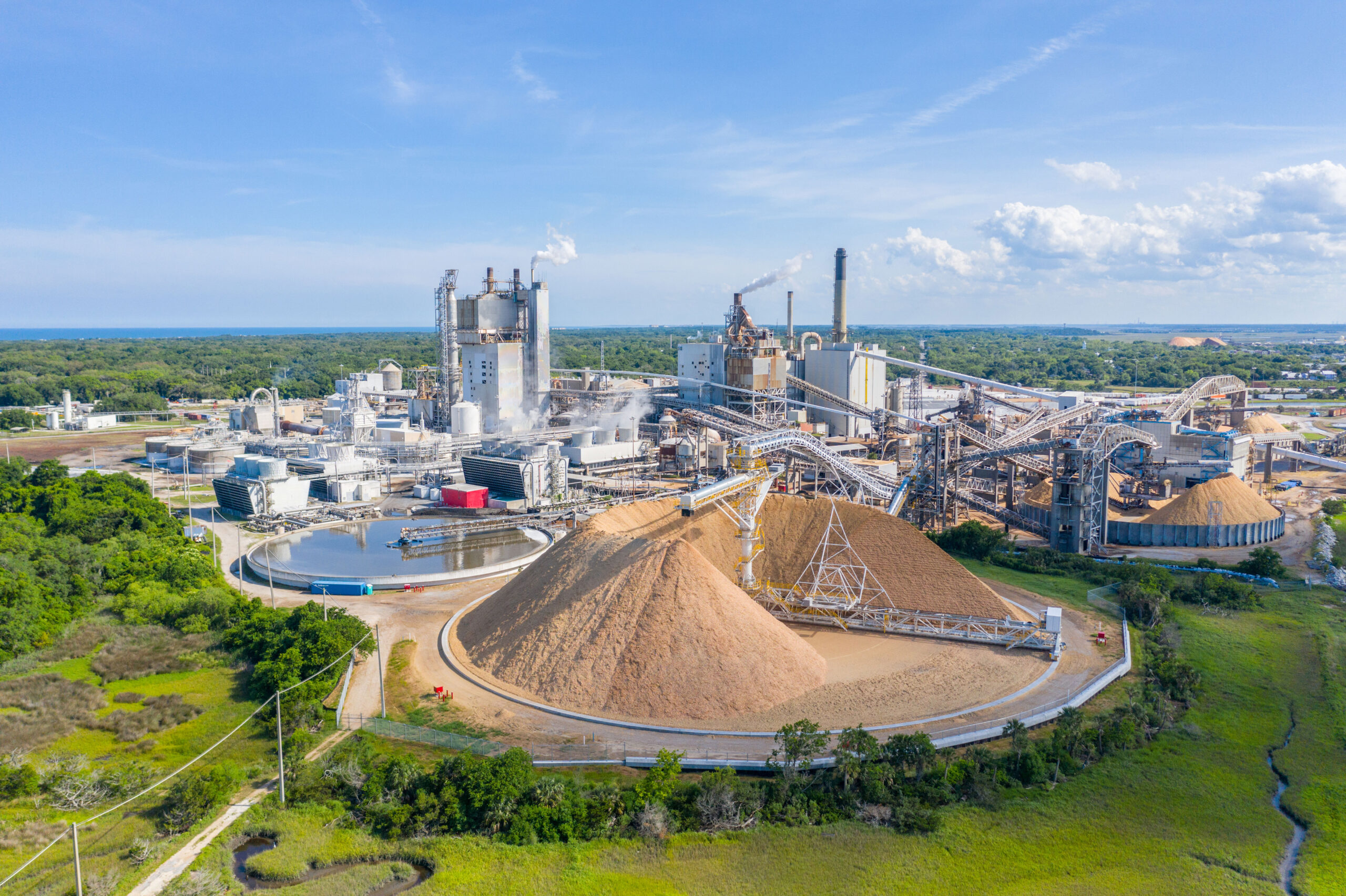
High organic load
- Wastewater often contains large amounts of organic matter (COD and BOD), which can lead to overloading of the biological treatment system. This reduces the efficiency of the degradation processes.
Poor sludge sedimentation due to filamentous bacteria
- Filamentous bacteria are unfavorable in biological wastewater treatment plants because they cause the formation of bulking sludge, which causes the sludge to settle poorly in the post-sedimentation tank. This leads to reduced treatment efficiency and can cause excessive sludge discharge and operational problems.
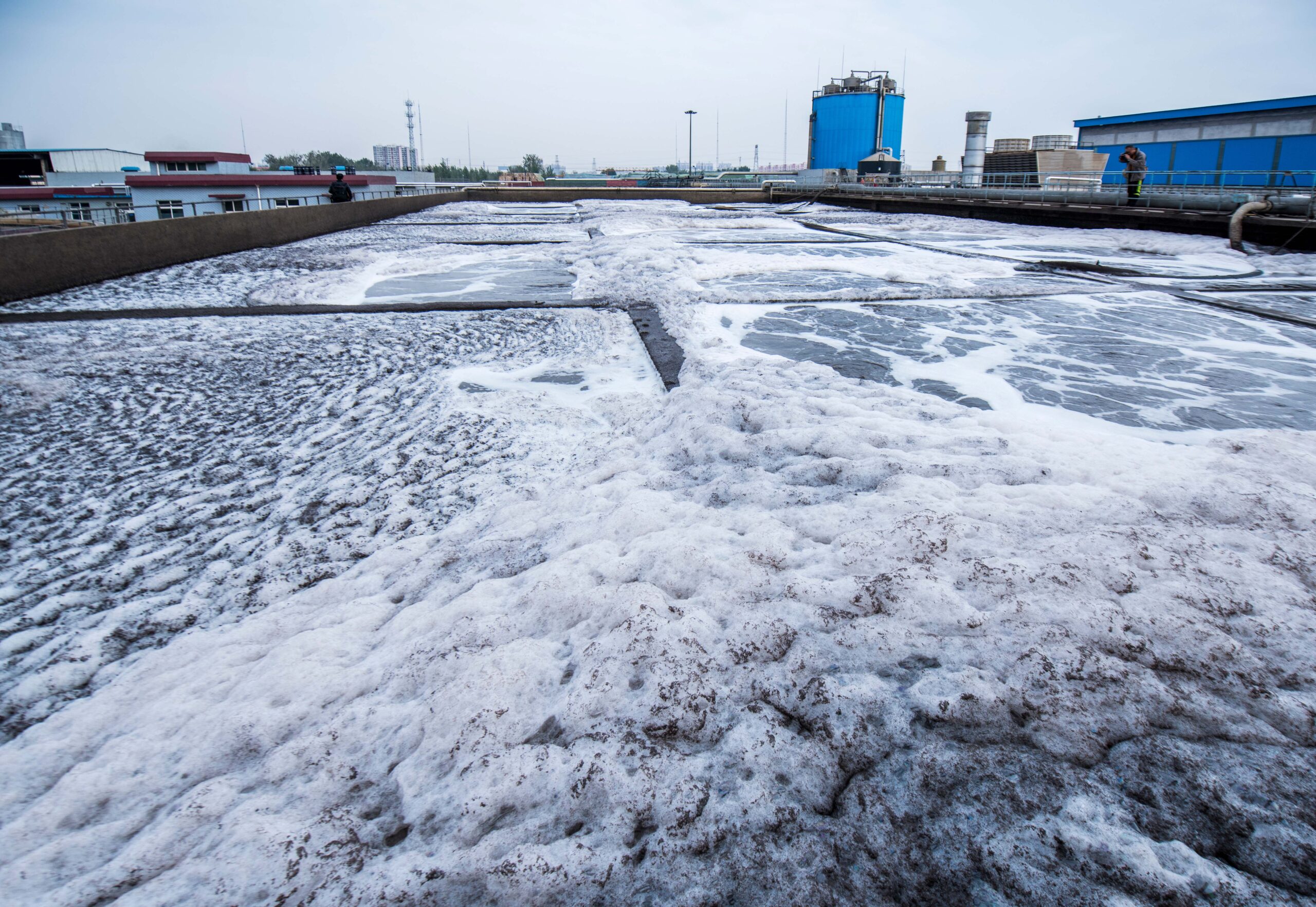
Foaming
- In some cases, foaming occurs in the treatment plant due to the presence of certain substances, which interferes with the operation of the system.
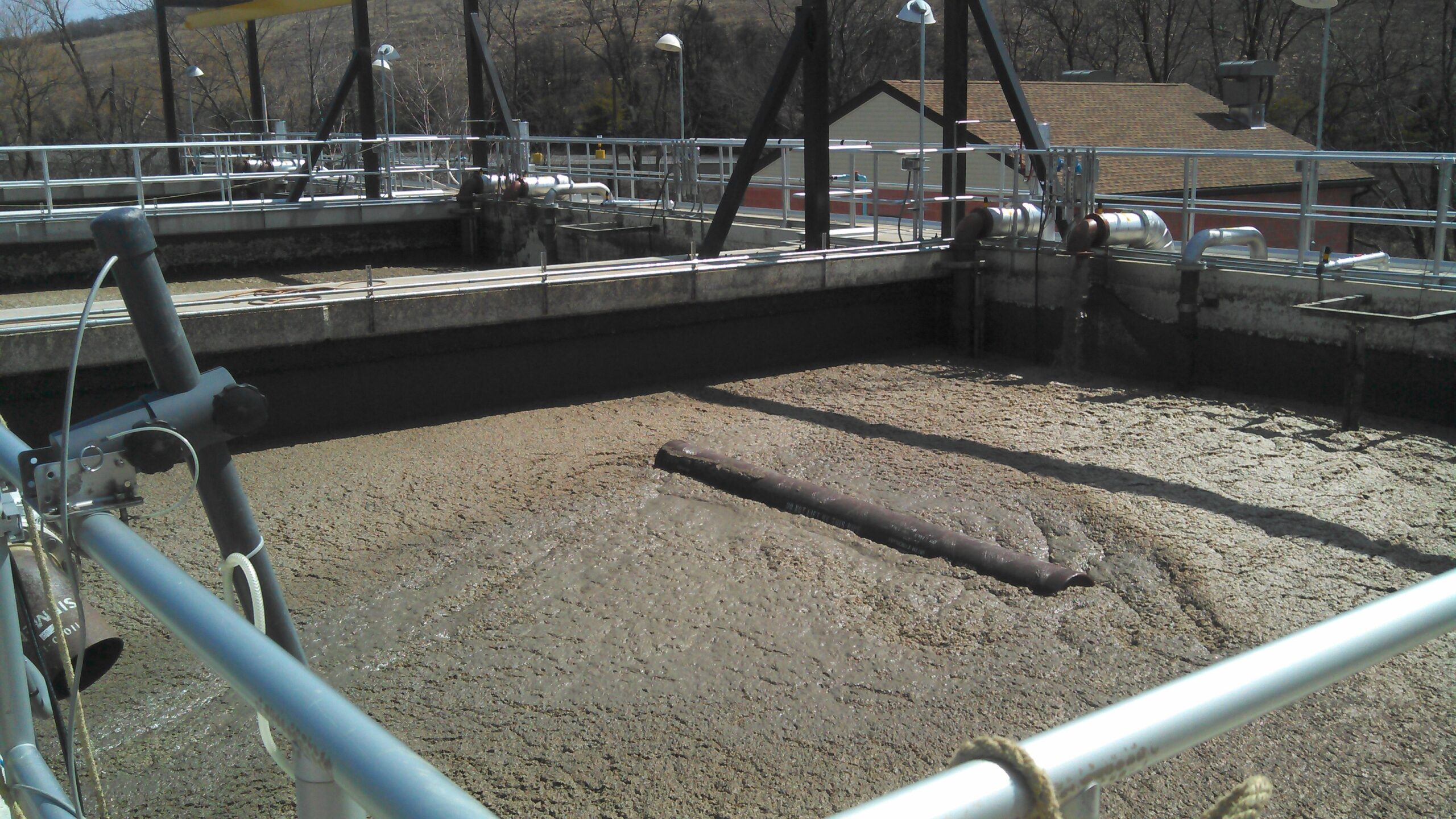
Toxic substances and inhibitory compounds
- Wastewater may contain toxic chemicals or substances, such as resins, lignin and heavy metals, that interfere with biological processes or damage the bacteria in the treatment plant.
Odor nuisance and emissions
- With incomplete decomposition processes, odor problems and the formation of harmful gases such as H₂S can occur, causing nuisance and safety risks.
Variable water quality
- Due to fluctuations in production processes, wastewater composition varies widely. These variations can lead to unstable treatment performance.
Insufficient nutrient balance
- Biological processes require a proper balance of nutrients (such as nitrogen and phosphorus). Deficiency of these substances can lead to reduced microbial activity.
pH fluctuations
- Large variations in the pH of wastewater can adversely affect biological processes, slowing the decomposition of organic matter.
Accumulation of sludge
- Excessive activated sludge production or insufficient sludge discharge can lead to accumulation, blockages and operational problems in the system.
Temperature fluctuations
- Biological processes are sensitive to temperature variations. Deviations can reduce the activity of microorganisms and lower purification efficiency.
Energy consumption and operating costs
- High energy requirements for aeration and sludge processing increase treatment plant operating costs.
By recognizing and addressing these operational problems in a timely manner, companies in the paper, pulp and paperboard industry can optimize their biological wastewater treatment processes and make them more efficient.
QM Environmental International provides several solutions to address and prevent some of these problems.
High organic load
Toxic substances and inhibitory compounds
Variable water quality
MicroCat®-XP
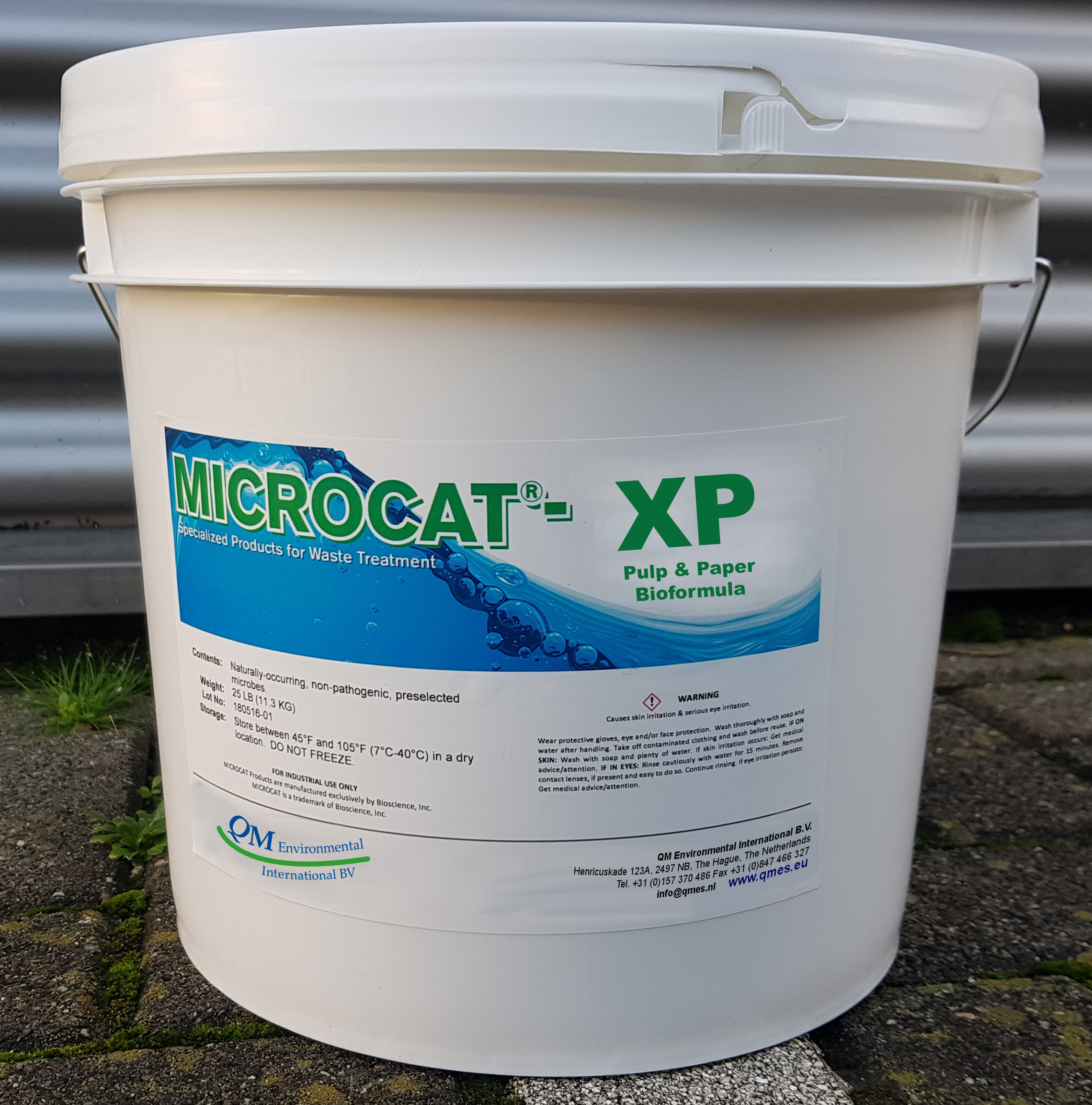
MicroCat®-XP is a synergistic blend of selected, adapted microorganisms for use in wastewater treatment plants in the pulp, paperboard and paper industry.
Biological wastewater treatment plants that receive wastewater from these industries face problems from time to time in achieving the desired effluent quality. Fluctuations in process operations can cause the system to malfunction and require investment to rectify.
MicroCat®-XP combines several selected and adapted microbial strains with enhanced waste breaking capabilities. When applied in a preventive maintenance dose, the product improves overall system performance while reducing operational costs.
MicroCat®-XP contains a combination of aerobic and facultative anaerobic microorganisms selected from nature for their properties to degrade a wide range of wastes found in wastewater streams from the pulp, paperboard and paper industry. These substances include lignins, cellulose, dyes, glues, surfactants, fibrous substances and others.
Shelf life: 2 years
Germ count: >3,109 cfu’s./gram
MicroCat®-XP is available in 11.3 Kg buckets.
In order to determine if MicroCat®-XP can provide a solution for your wastewater treatment, we need some data on the wastewater composition and treatment system. Below you can download the system information form, fill it out and return it to us. We will make a proposal without any obligation.
Toxic substances and inhibitory compounds
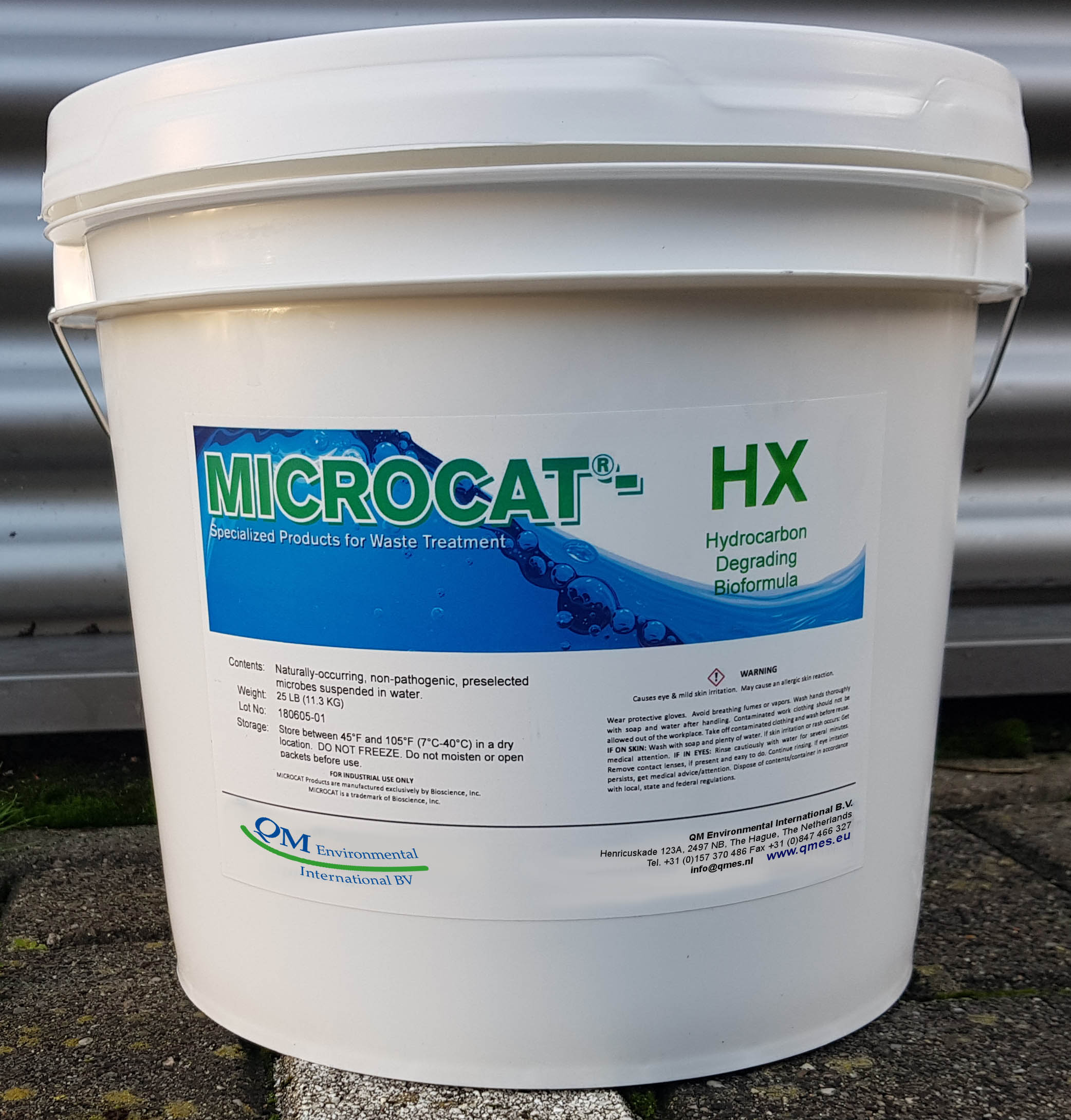
MicroCat®-HX
MicroCat®-HX is a special blend of selected, adapted microorganisms and special activated carbon for use in biological wastewater treatment plants. MicroCat®-HX contains a combination of aerobic and facultative anaerobic microorganisms selected from nature for their ability to break down a wide range of synthetic organic substances.MicroCat®-HX also contains precisely selected activated carbon powder to immobilize low levels of toxic substances in the waste stream.
MicroCat®-HX is formulated for use in biological wastewater treatment plants receiving industrial wastewater. These plants, whether urban or industrial, receive a broad spectrum of organic chemicals, some of which are toxic or very difficult to degrade. Such chemicals tend to cause problems during their stay in the treatment plant that result in poor effluent quality and increased operating costs. MicroCat®-HX synergistically combines the adsorption and waste immobilization properties of specific activated carbon with enhanced biodegradation properties of selected, adapted microbial strains. When used in a preventive manner in the form of a regular maintenance dose, this combination can enhance purification and improve overall system performance at reduced operating costs. MicroCat®-HX is specially formulated for use in chemical, petrochemical, metal, textile and similar industries and for municipal wastewater treatment plants that also receive wastewater from these industries.
Shelf life: 2 years
Germ count: 5,109 cfu’s/gram
MicroCat®-HX is available in 0.45 Kg water-soluble bags in 11.3 Kg buckets.
In order to determine if MicroCat®-HX can provide a solution for your wastewater treatment, we need some data on the wastewater composition and treatment system. Below you can download the system information form, fill it out and return it to us. We will make a proposal without any obligation.
Poor sludge sedimentation resulting
of filamentous bacteria
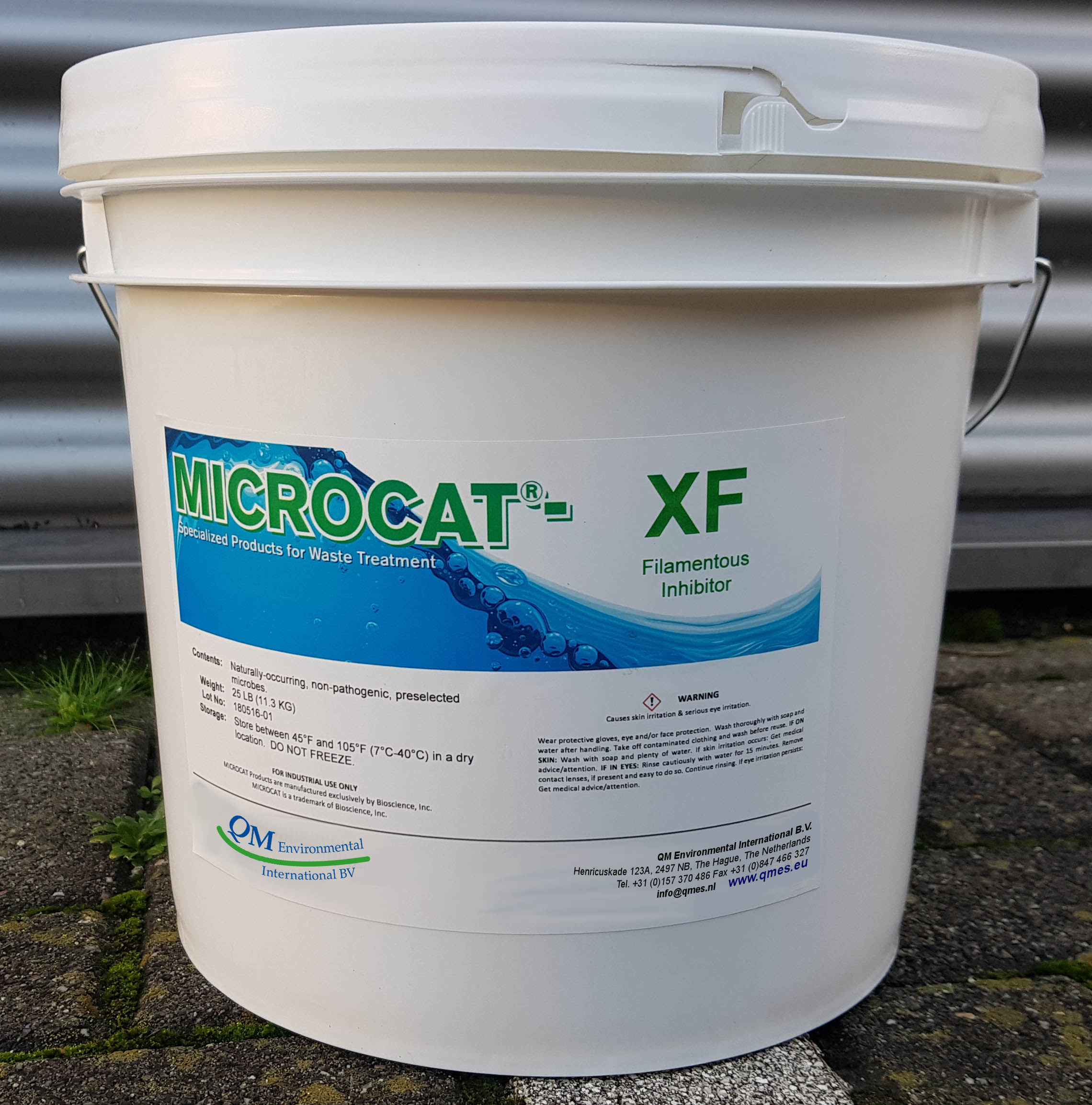
MicroCat®-XF
MicroCat®-XF is a synergistic blend of selected, adapted microorganisms for use in wastewater treatment plants receiving wastewater from pulp, cardboard and paper industries. Such waste streams regularly cause light sludge problems in the post-settling basins.
Biological wastewater treatment plants receiving wastewater from pulp, cardboard and paper industries have from time to time operational problems in settling the sewage sludge due to filamentous (filamentous) microorganisms. MicroCat®-XF is formulated to reduce the filamentous microbial population and improve sludge sedimentation, thereby reducing suspended solids in the effluent.
When MicroCat®-XF is used in a preventive manner in the form of a maintenance dose, the efficiency of the treatment plant will be increased while operational costs are reduced. MicroCat®-XF contains a combination of aerobic and facultative anaerobic microorganisms selected from a natural environment for their property a broad spectrum of substances found in wastewater. It also contains enzymes and other ingredients selected to destabilize the protein mantle that protects many filamentous microorganisms.
Shelf life: 2 years
Germ count: >3.109 cfu’s/gram
MicroCat®-XP is available in 11.3 Kg buckets.
To determine if MicroCat®-XF can provide a solution for your wastewater treatment, we need some data on the wastewater composition and treatment system. Below you can download the system information form, fill it out and return it to us. We will make a proposal without any obligation.
Temperature fluctuations
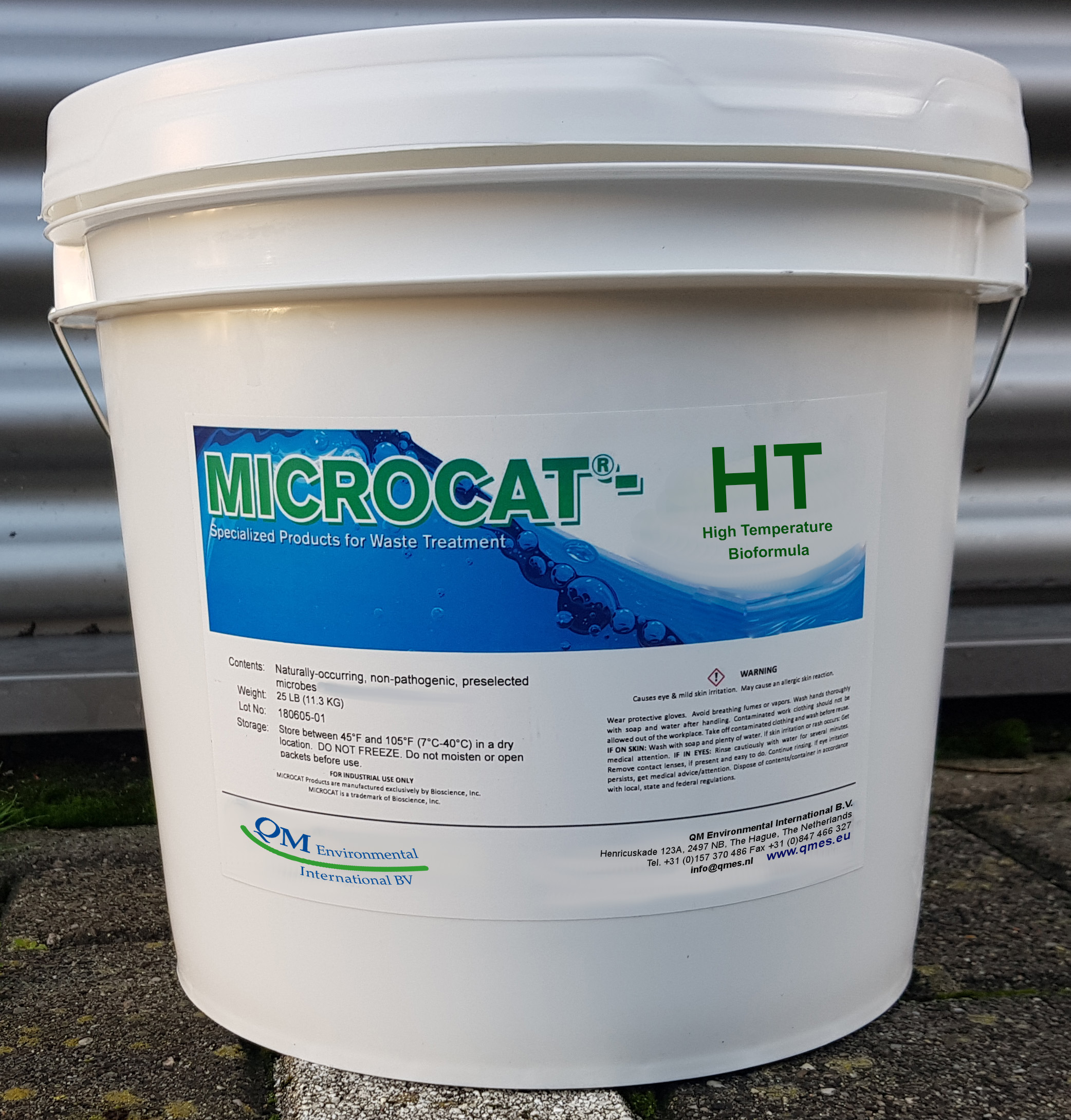
MicroCat®-HT
MicroCat®-HT is a synergistic blend of selected, adapted microorganisms for use in biological wastewater treatment plants operating in the thermophilic transition zone (35º C – 43º C).
Biological wastewater treatment plants receiving high-temperature effluent have problems from time to time in achieving the desired effluent quality. Operating under high temperatures in a biological wastewater treatment plant can cause poor system performance (high levels of suspended solids in the effluent, poor sludge sedimentation due to change in microbial population) and these result in fines for exceeding discharge standards and often require costly adjustments in the operational sphere.
MicroCat®-HT combines selected, adapted microorganisms with enhanced waste-degrading capabilities in the thermophilic transition phase (35º C – 43º C). When applied in a preventive manner through a maintenance dose, the product can increase overall system performance while saving on operational costs (e.g., polymer costs). MicroCat®-HT contains a combination of aerobic and facultative anaerobic microorganisms selected from nature for their ability to metabolize and flocculate organic matter at the high end of the thermophilic range (e.g., pulp, paperboard and paper industry).
Shelf life: 2 years
Germ count: >3,109 cfu’s/gram
MicroCat®-XP is available in 11.3 Kg buckets.
In order to determine if MicroCat®-HT can provide a solution for your wastewater treatment, we need some data about the wastewater composition and treatment system. Below you can download the system information form, fill it out and return it to us. We will make a proposal without any obligation.
Foaming
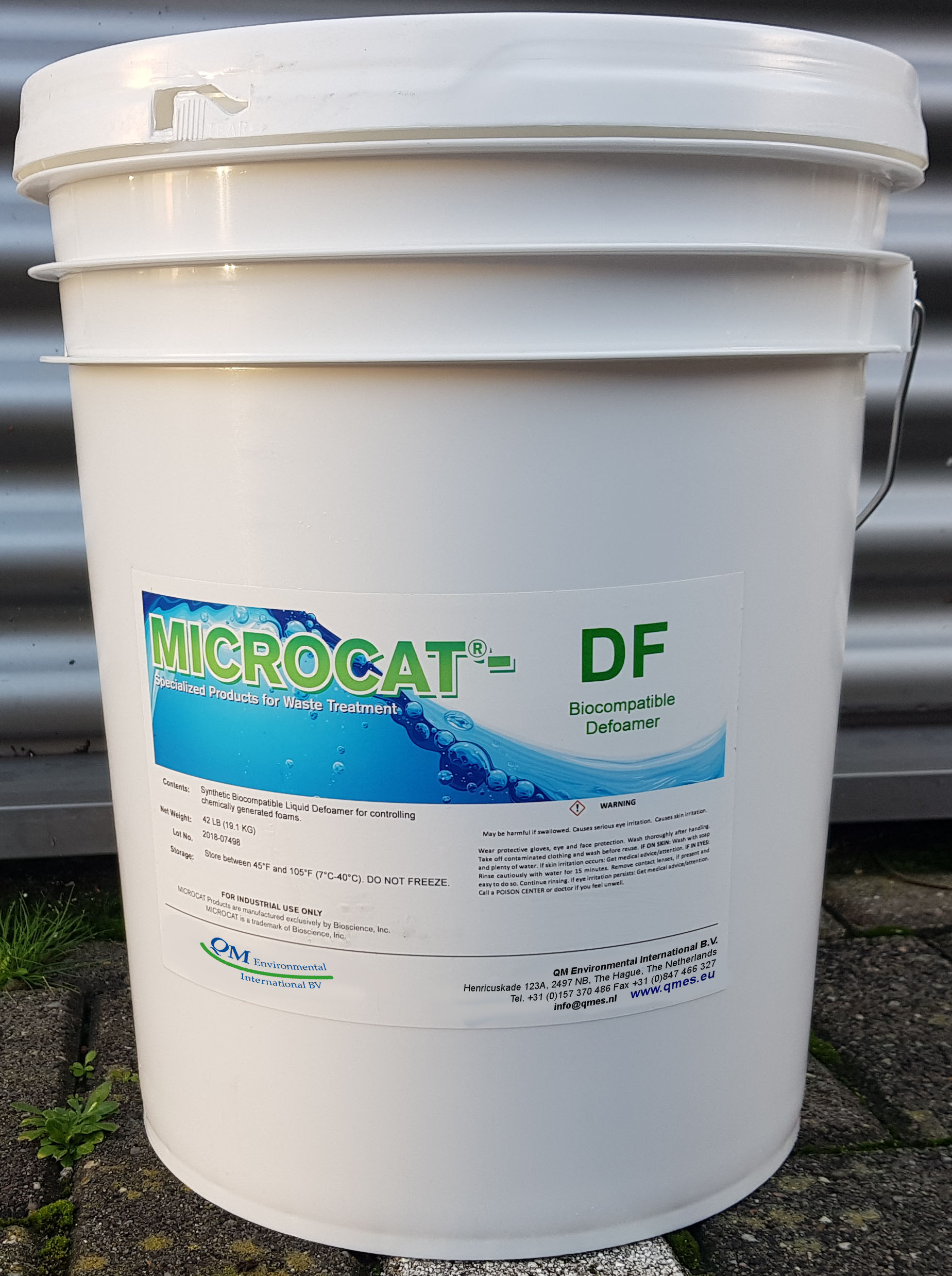
MicroCat®-DF
MicroCat®-DF is a synthetic liquid biocompatible antifoam agent for control of biologically formed foams in wastewater treatment plants. It is formulated for application in aeration tanks and digesters to suppress foaming without inhibiting biomass activity or causing other negative side effects often associated with the application of conventional antifoaming agents.
MicroCat®-DF does not contain silicones, mineral oil, nitrogen and phosphate compounds. As such, it is fully compatible with the use of MicroCat® microbial-enzymatic products.
Applications:
Aeration tanks of biological wastewater treatment and anaerobic sludge digestion tanks
Shelf life: 2 years
Packing: 18.9 L buckets / 208 L drums / 1000 L IBCs
To determine if MicroCat®-DF can provide a solution for your wastewater treatment, we need some data on the wastewater composition and treatment system. Below you can download the system information form, fill it out and return it to us. We will make a proposal without any obligation.
Odor nuisance and emissions
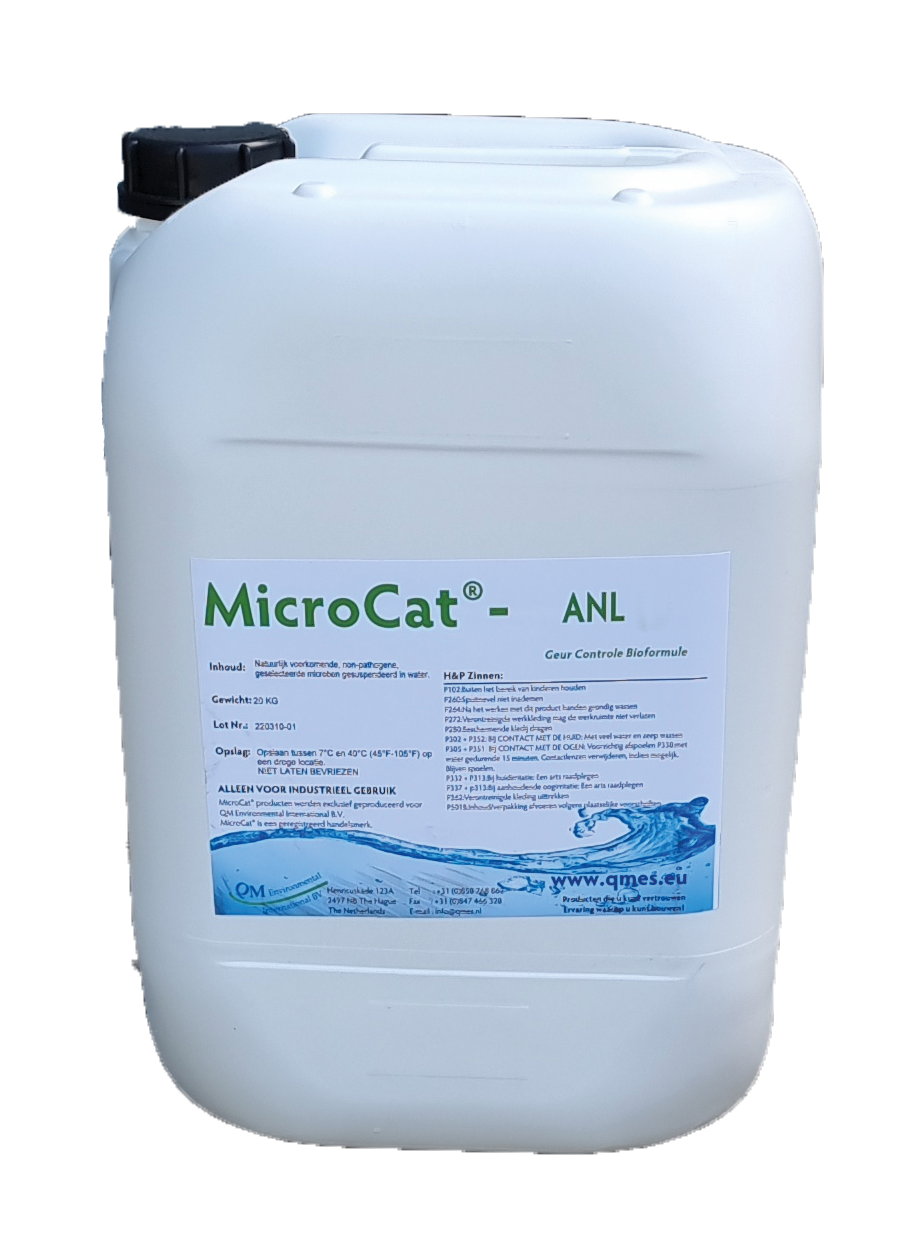
MicroCat®-ANL
MicroCat®-ANL is a liquid blend of selected, adapted microorganisms for use under anoxic and anaerobic conditions. The product is formulated for use in wastewater from the pulp, paperboard and paper industry to suppress odors and enhance biodegradation when the amount of available oxygen is limited.
Anaerobic degradation of organic matter frequently results in odors caused by sulfur-containing compounds such as H2S and mercaptans. Such odors occur in wastewater treatment plants of the pulp, paperboard and paper industry. MicroCat-ANL can help. The special mixture of microorganisms reduces sulfides, under anaerobic and anoxic conditions, to elemental sulfur (S0) which is excreted by the bacterial cells as a solid, removing the sulfur from the system, preventing H2S from forming and thus suppressing odor.
Shelf life: 1 year
MicroCat®-ANL is available in 20 L jerry cans
In order to determine if MicroCat®-ANL can provide a solution for your wastewater treatment, we need some data on the wastewater composition and treatment system. Below you can download the system information form, fill it out and return it to us. We will make a proposal without any obligation.


