

Click here
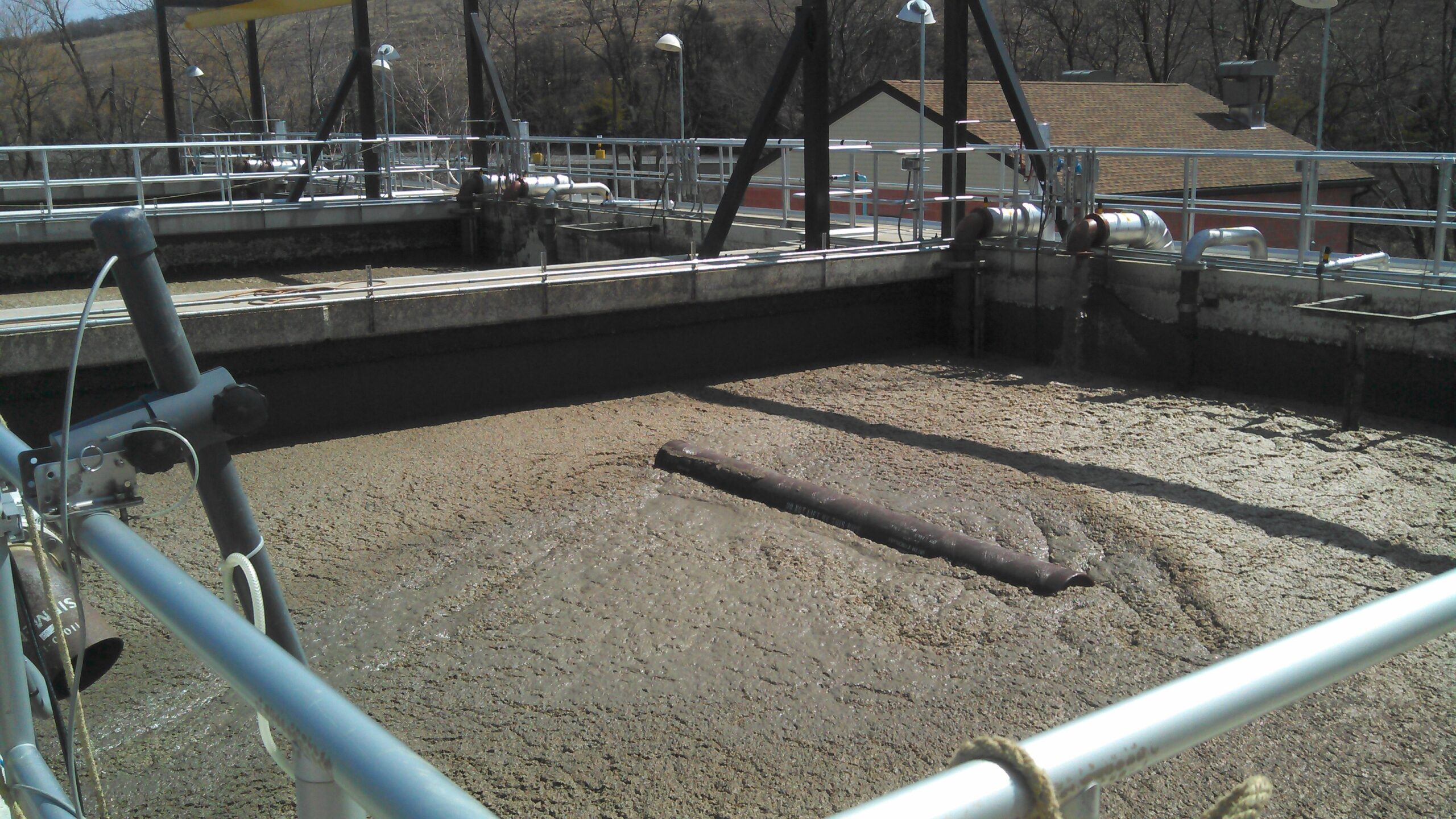
White Paper: “Biological Treatment of Filamentous Bacteria in Biological Wastewater Treatment Plants” (English)
This white paper explains the causes of filamentous bacterial growth in wastewater treatment plants and the measures that can be taken with bioagumentation products.
Click here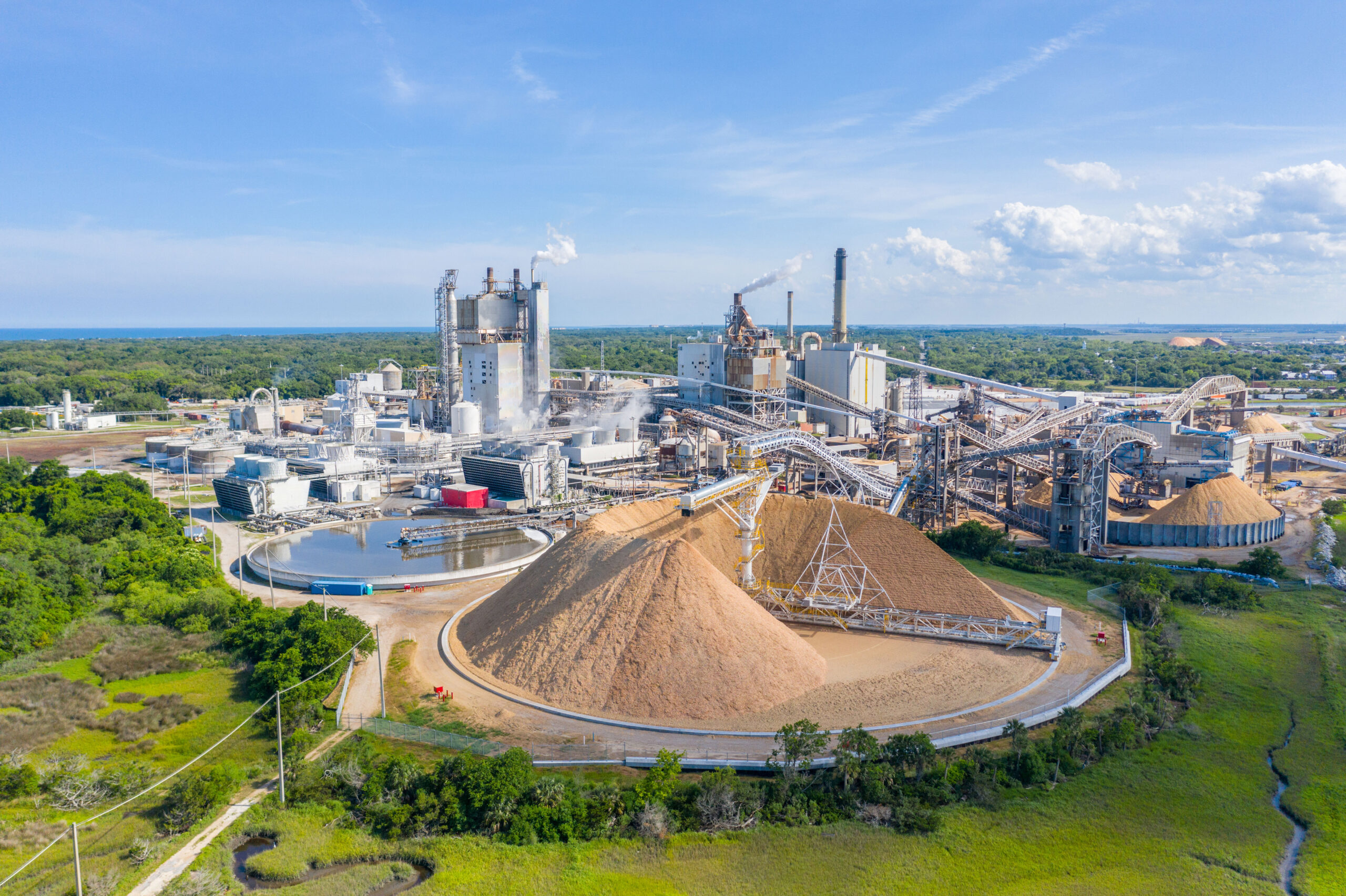
Click here
Case study: Start-up & Filament Control in a Pulp & Paper Mill Wastewater Treatment Plant (English)
This case study describes the application and effects of bioaugmentation in a pulp and paper mill wastewater treatment plant during start-up and control of string formation and foam formation over a three-year period.
Click here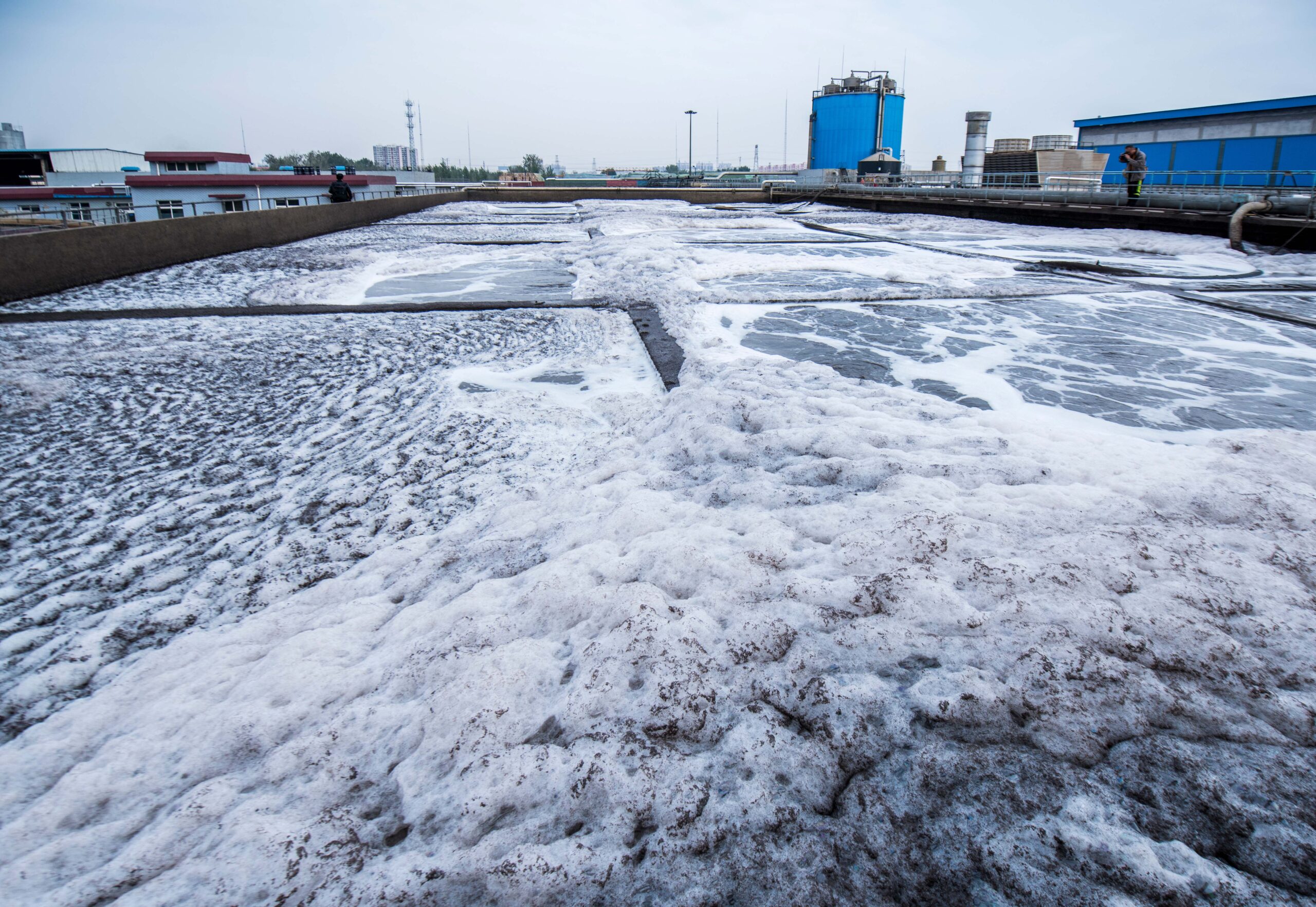
Click here
Case study: Increasing the reuse of treated sewage by controlling thread formers using bioaugmentation (English)
This case study describes how bioaugmentation reduces filaments and foam formation in a municipal wastewater treatment plant, allowing more treated water to be reused for irrigation purposes.
Click here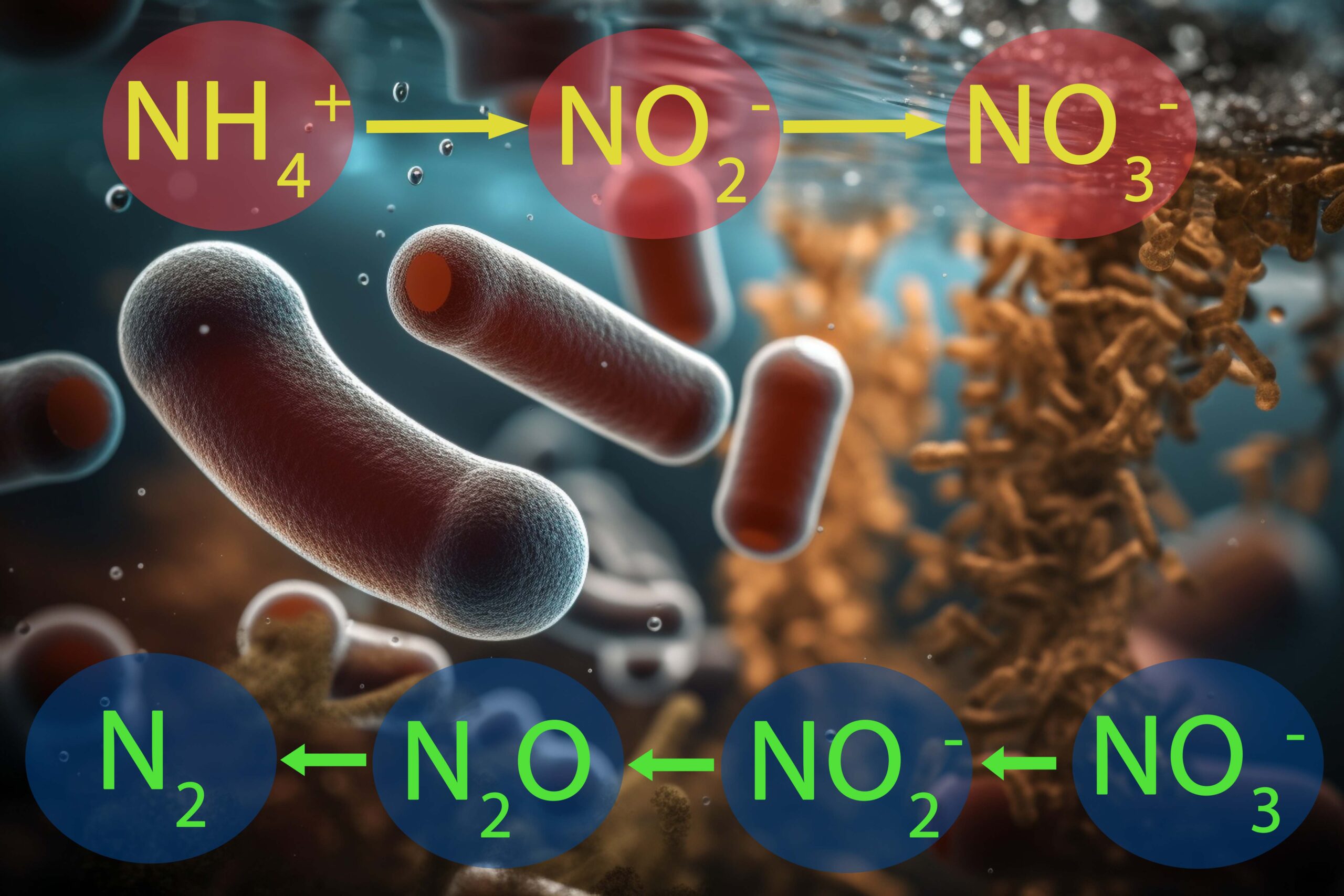
Click here
White Paper: Nitrification in Wastewater Treatment Plants (English)
Nitrogen removal from wastewater is possible in many different types of biological wastewater treatment plants. From activated sludge systems, biorotors, MBBR systems, and trickling filters, they all operate under more or less the same operating conditions. Read this white paper for more information about these conditions.
Click here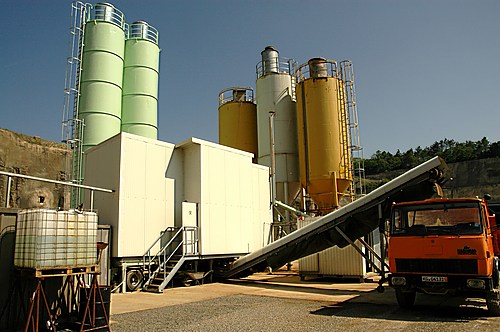
Click here
Case study on the Restoration of Nitrification in a Leachate Wastewater Treatment Plant at a Landfill (English)
This case study describes how bioaugmentation can revive nitrification capacity in a heavily loaded landfill leachate treatment plant.
Click here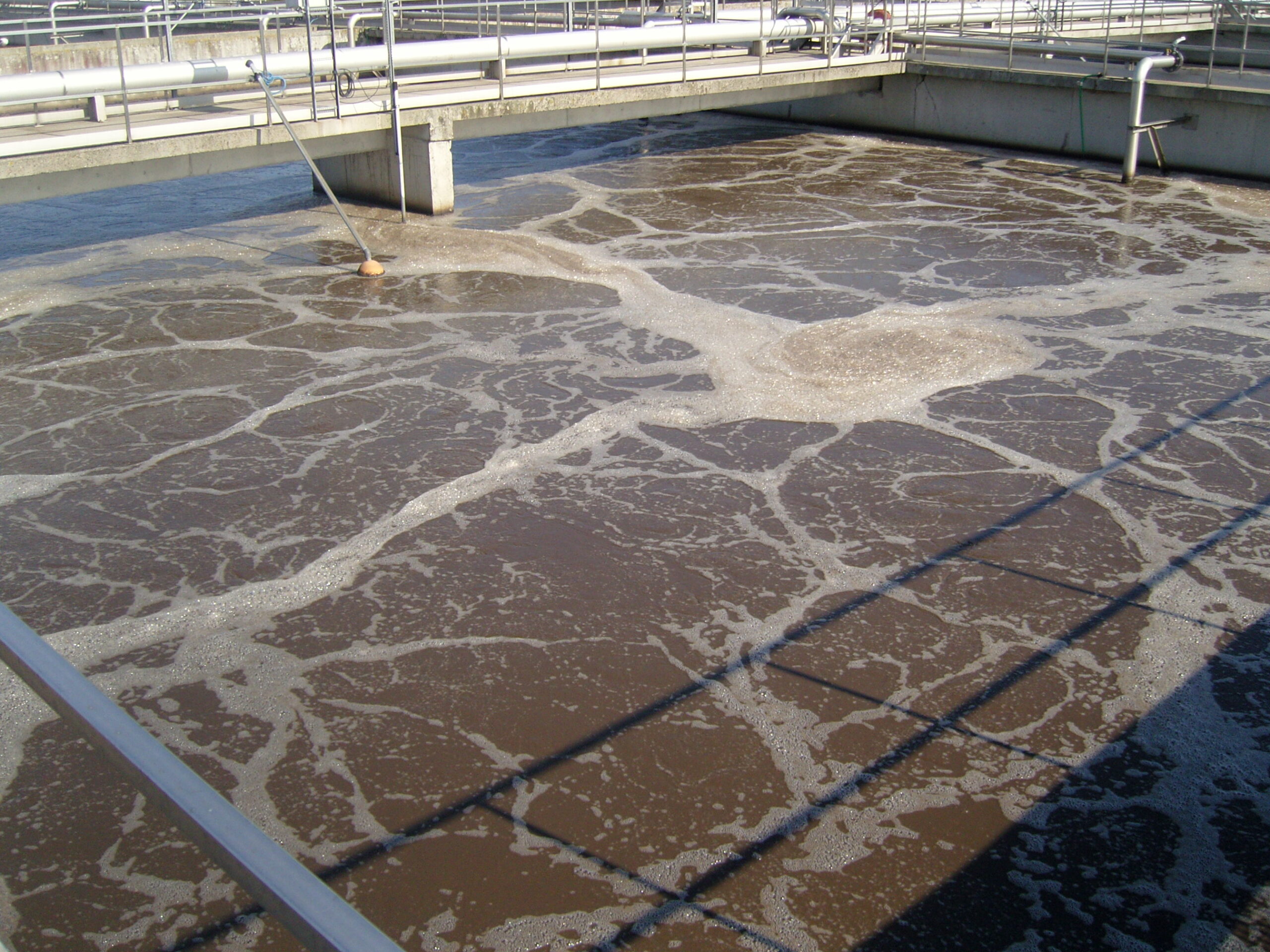
Click here
Case study on the restoration of nitrification in a wastewater treatment plant (English)
This case study describes how bioaugmentation restores nitrification in a wastewater treatment plant after an extremely cold spell. This wastewater treatment plant receives not only wastewater from a port city but also leachate from the landfill and ammonium-rich supernatant from the sludge digester.
Click here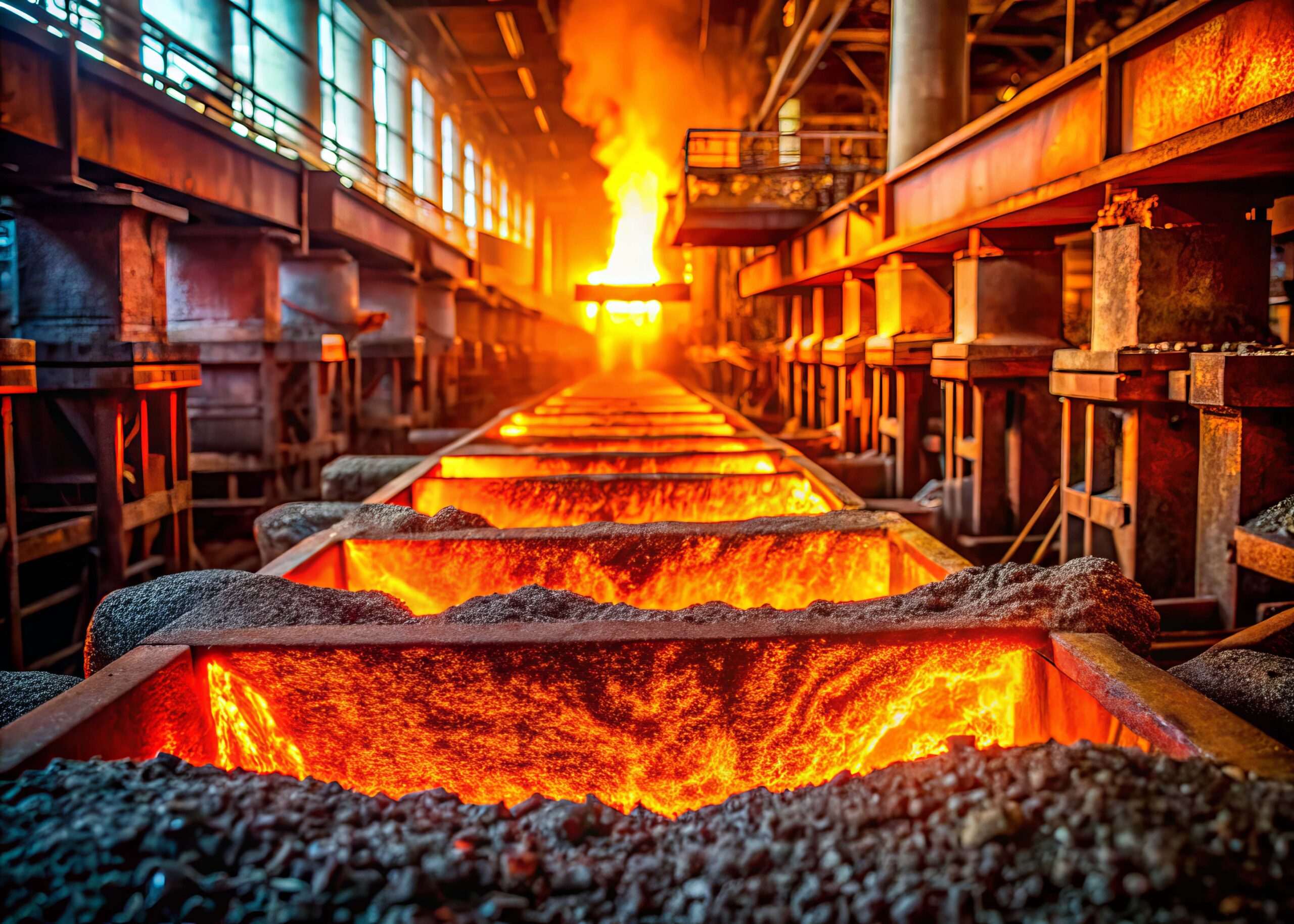
Click here
Case study: Optimization of Nitrification in a Coke Plant (English)
This case study describes how bioaugmentation reduces the inhibition of nitrification that occurs due to the presence of difficult-to-degrade organic matter in the influent.
Click here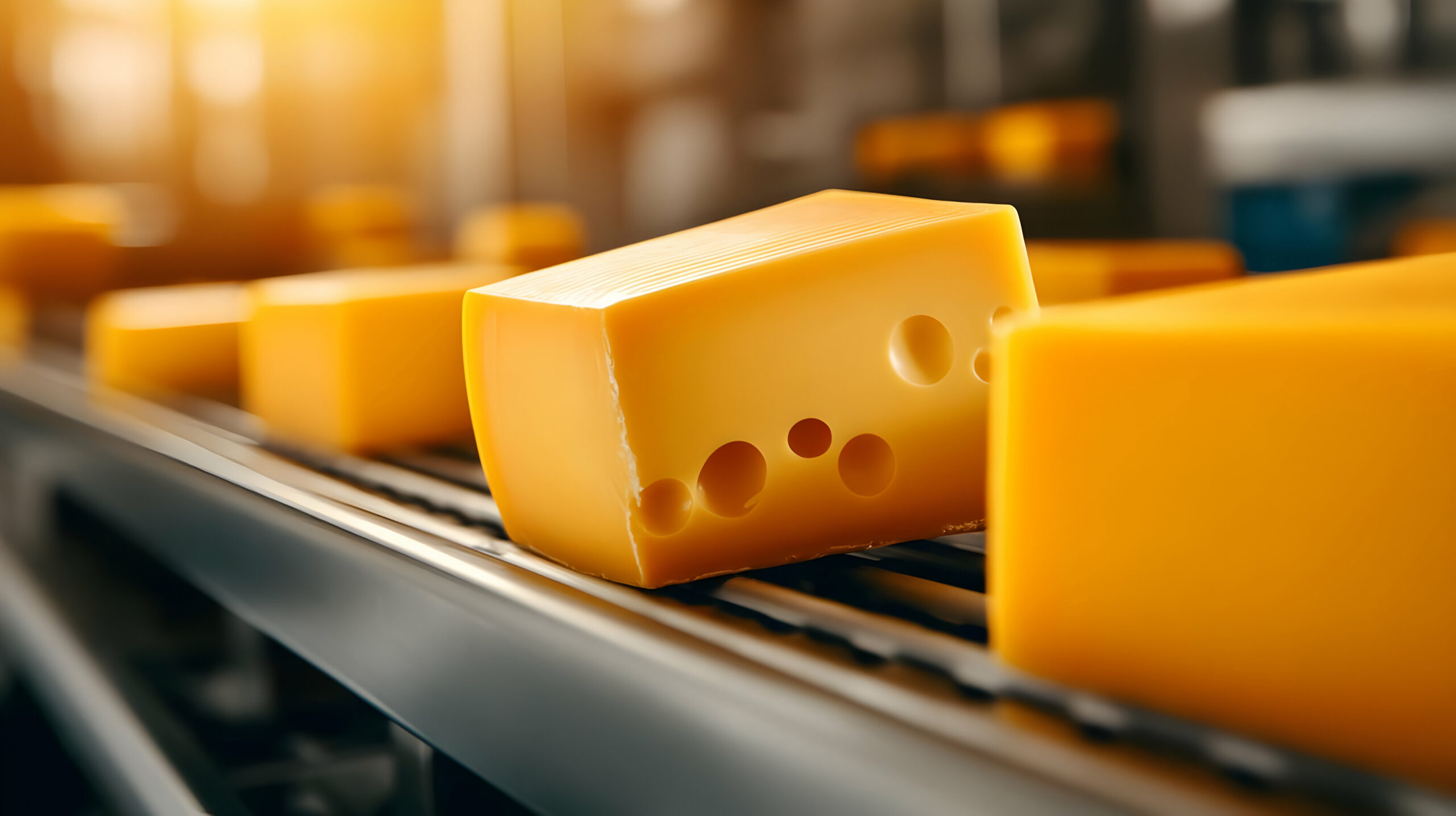
Click here
Case study:Nitrogen reduction in the effluent of a cheese factory (English)
This case study describes how an industrial wastewater treatment plant reduces total nitrogen levels in its wastewater through bioaugmentation.
Click here
Click here
Case study: Rapid recovery of biological activity after an incident at an a.w.z.i. in the dairy industry
This case study describes how an industrial SBR wastewater treatment plant in the dairy industry rapidly recovers from an incident using bioaugmentation.
Click here


