How bioaugmentation microbes work in wastewater and contaminated sites
Adding selected microbes can help break down contaminants in wastewater, soil, and groundwater by strengthening the microbial community already...



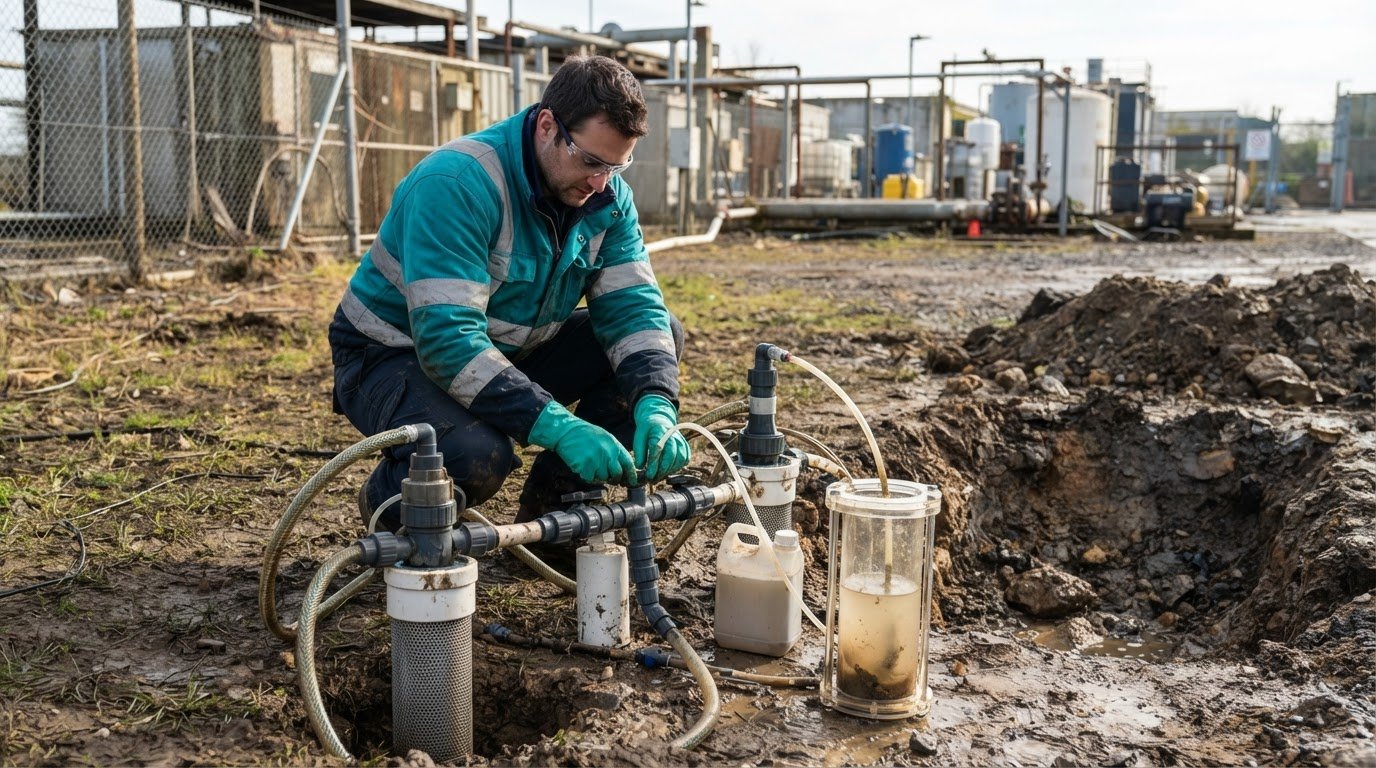
Adding selected microbes can help break down contaminants in wastewater, soil, and groundwater by strengthening the microbial community already...
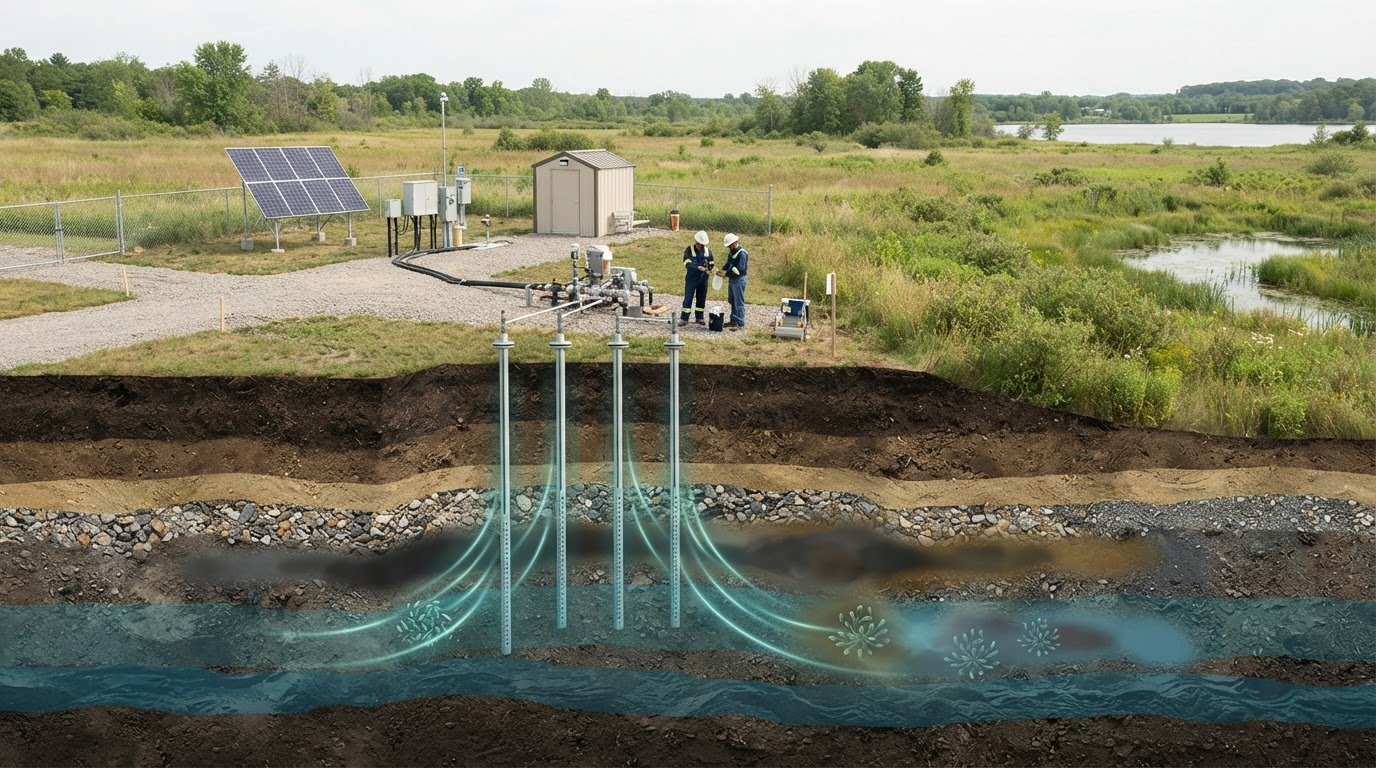
Scaling bioremediation isn’t simply a matter of enlarging a successful lab test. Laboratory treatment uses small volumes measured in litres or...
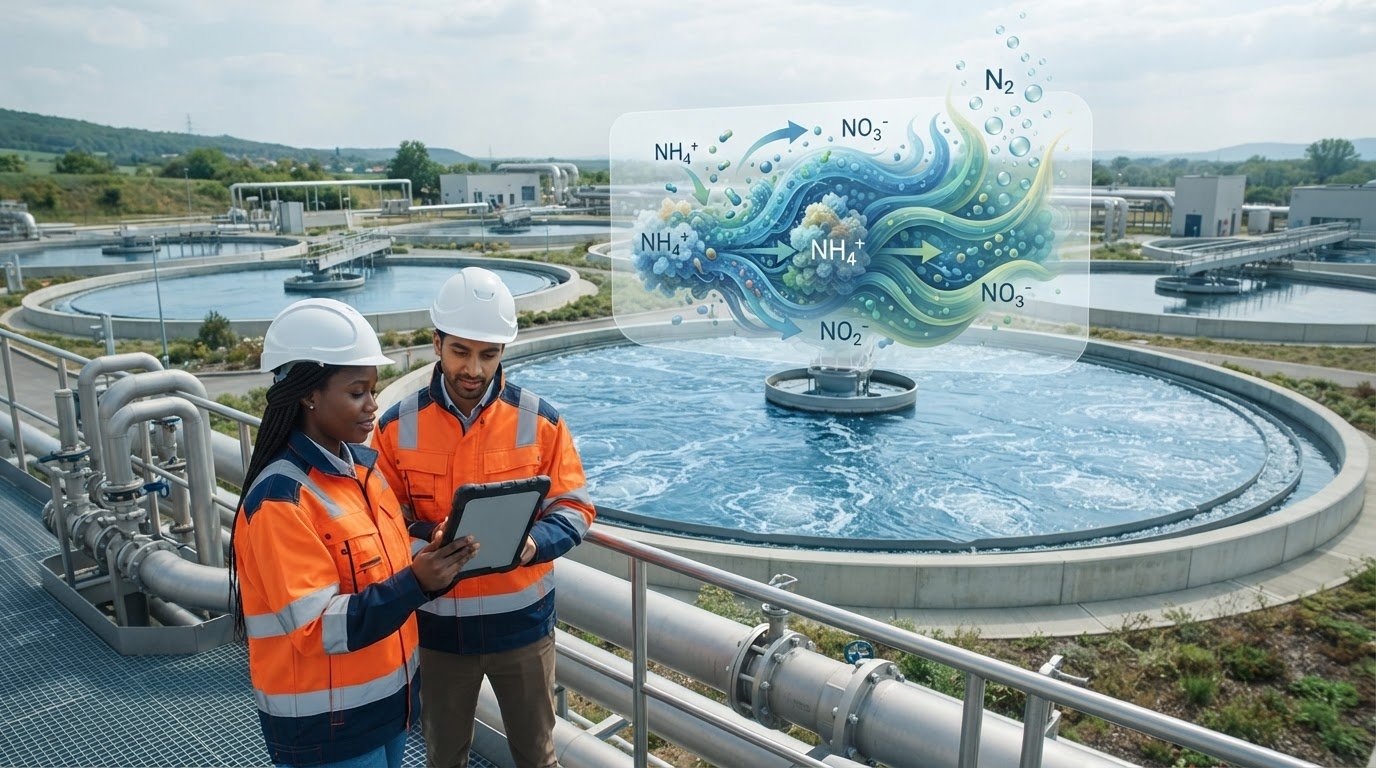
When biological nitrogen removal wastewater systems become unstable, the cause may be the microbial community, not tank volume. Cold weather, toxic...
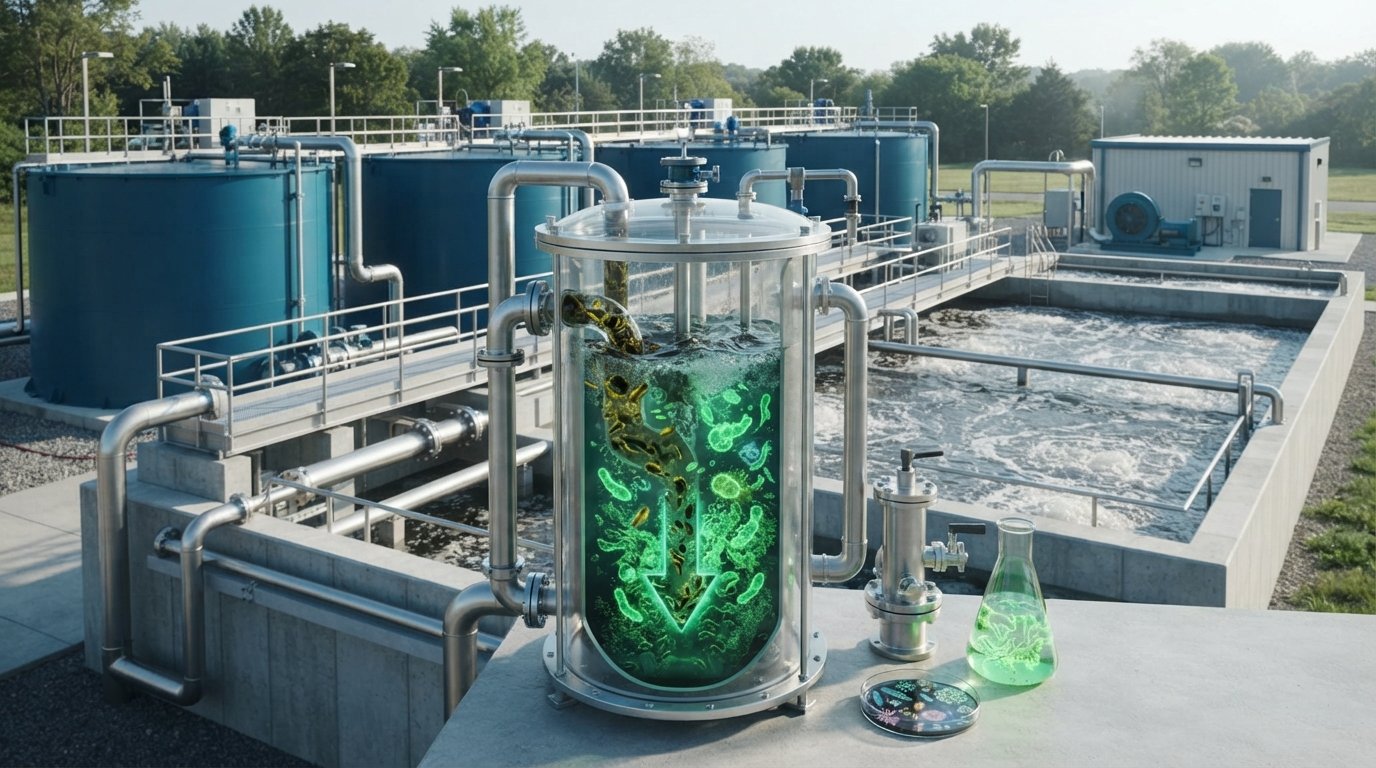
Most grease abatement strategies don't actually eliminate lipids; they just push an operational crisis further down the pipe. When treatment plants...
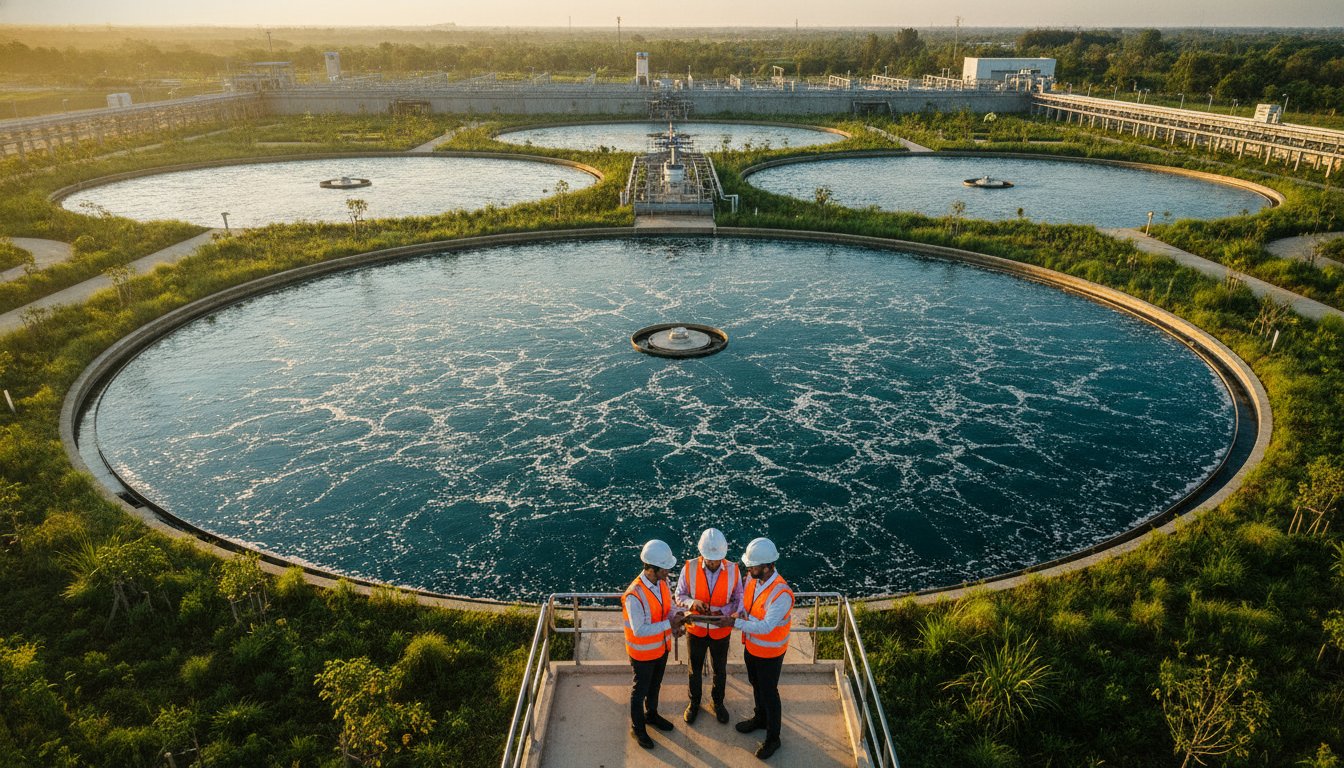
Hauling mixed liquor from a neighboring plant to fix a nitrification failure is often a costly, logistical nightmare that doesn't always guarantee a...
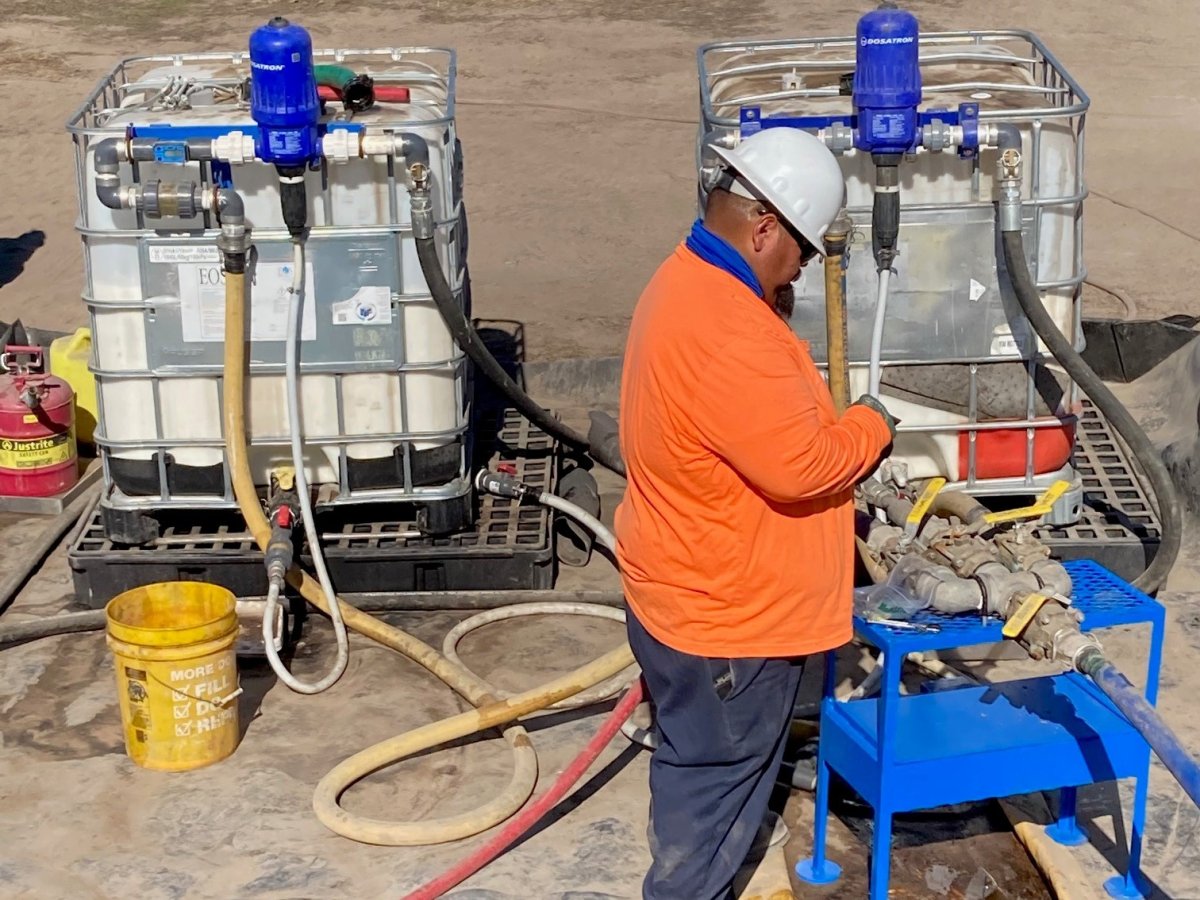
Why do so many bench-scale successes fail to translate once they hit the field? You've likely experienced the frustration of inconsistent degradation...
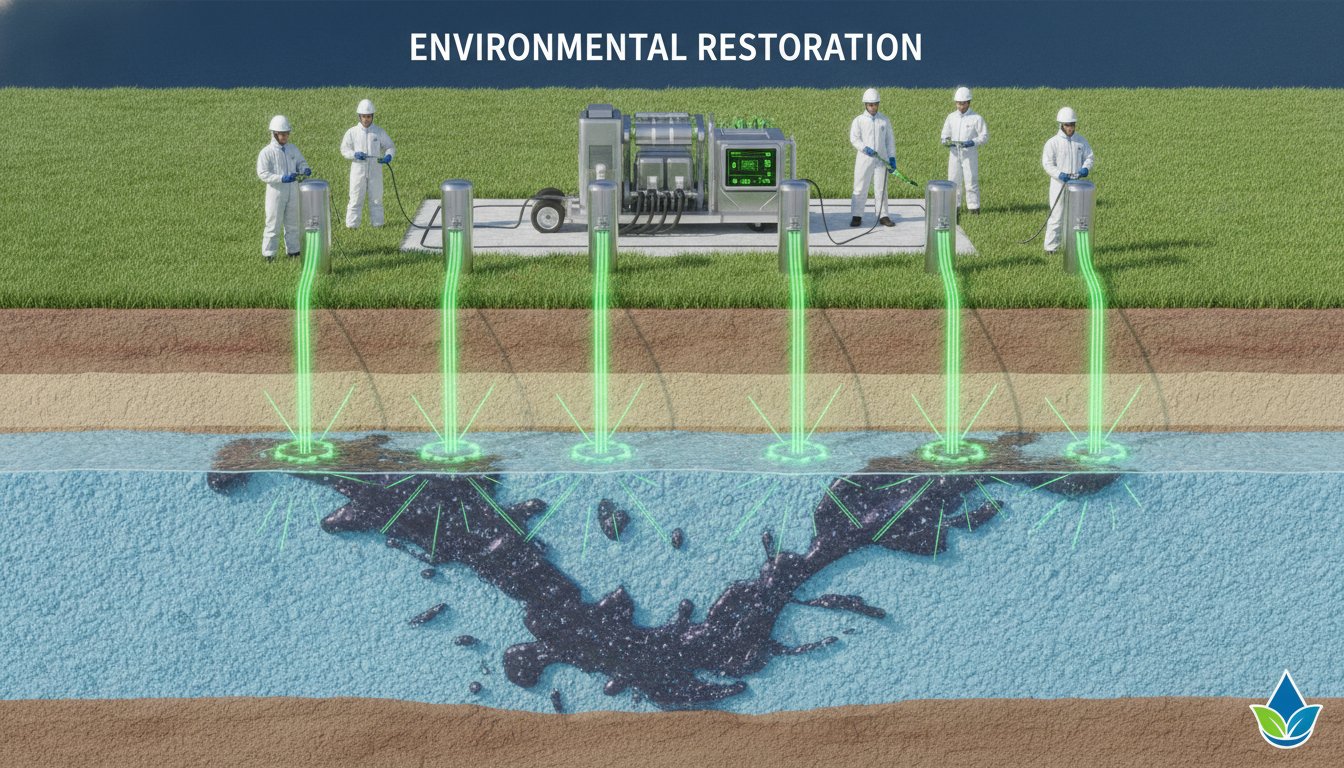
Most in situ bioremediation projects don't fail because the biology is wrong. They fail because the engineering doesn't account for the messy,...

QM Environmental International will be exhibiting at Remtech 2026 from 16 to 18 September in Ferrara. Visit our booth in Hall 3, D6 and learn more about our bioremediation solutions.
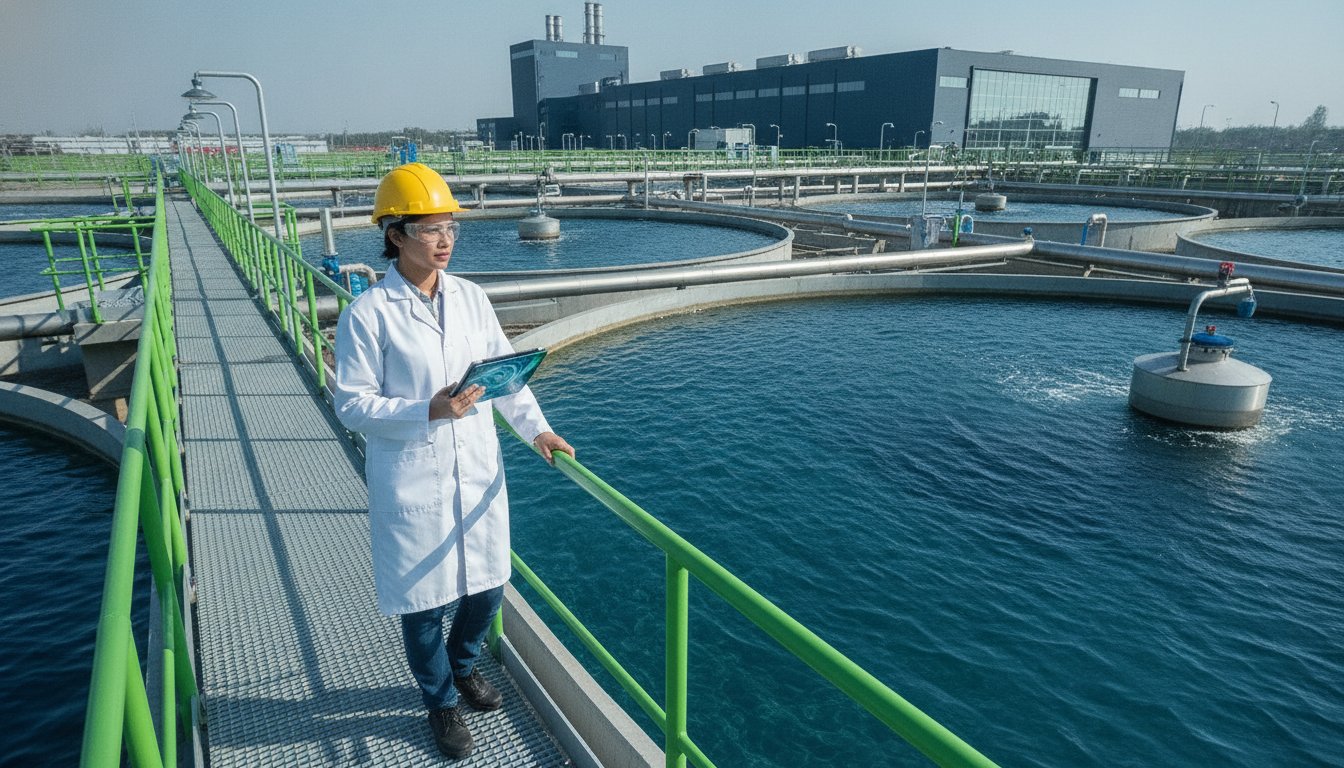
Did you know that sludge management can account for up to 65% of your plant's total operating costs? For engineers managing pulp and paper wastewater...
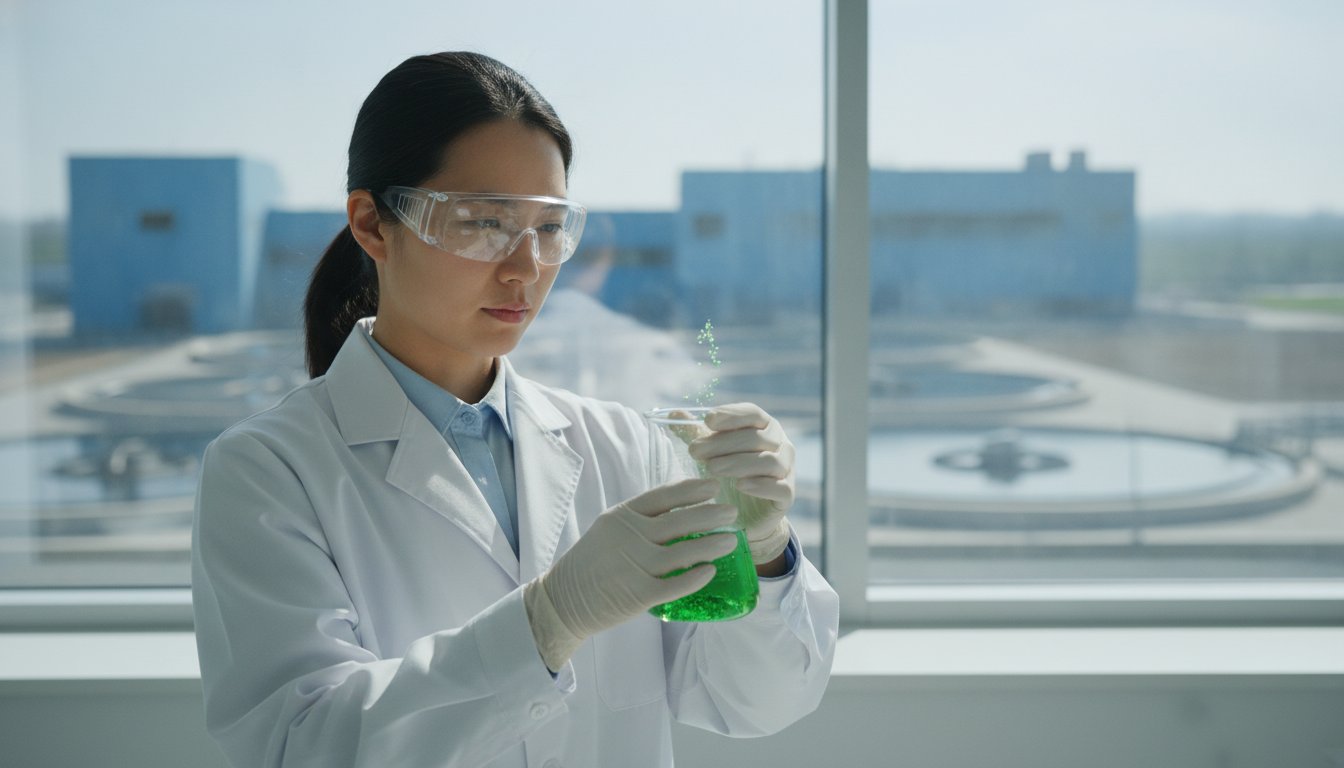
Throwing more aeration at a dairy plant won't solve a lipid-heavy biomass washout. You're likely dealing with the daily headache of filamentous...
Do you want to stay informed of our latest developments? Sign up for the newsletter by leaving your email address below.


This website is part of QM Environmental International B.V.
© 2026