
Nitrification
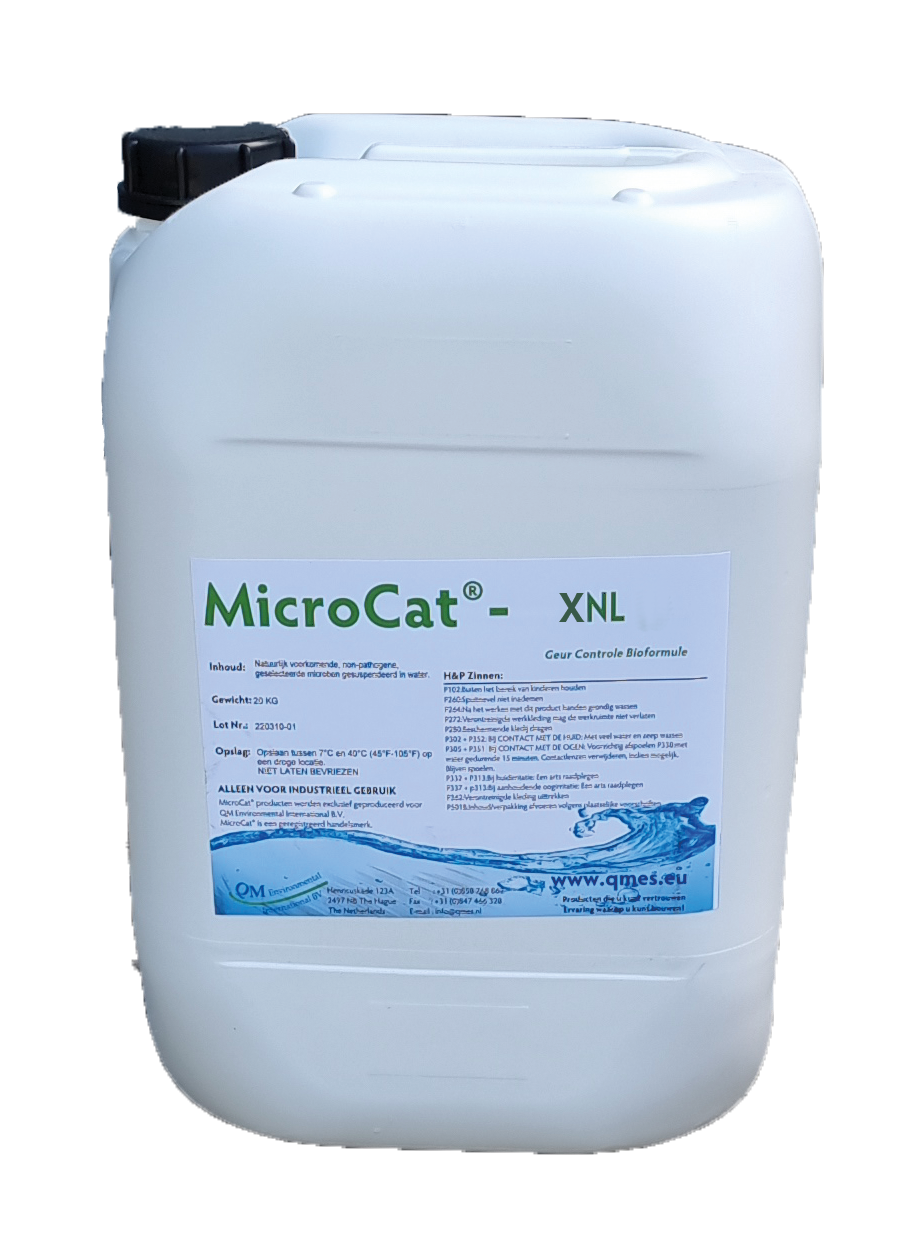
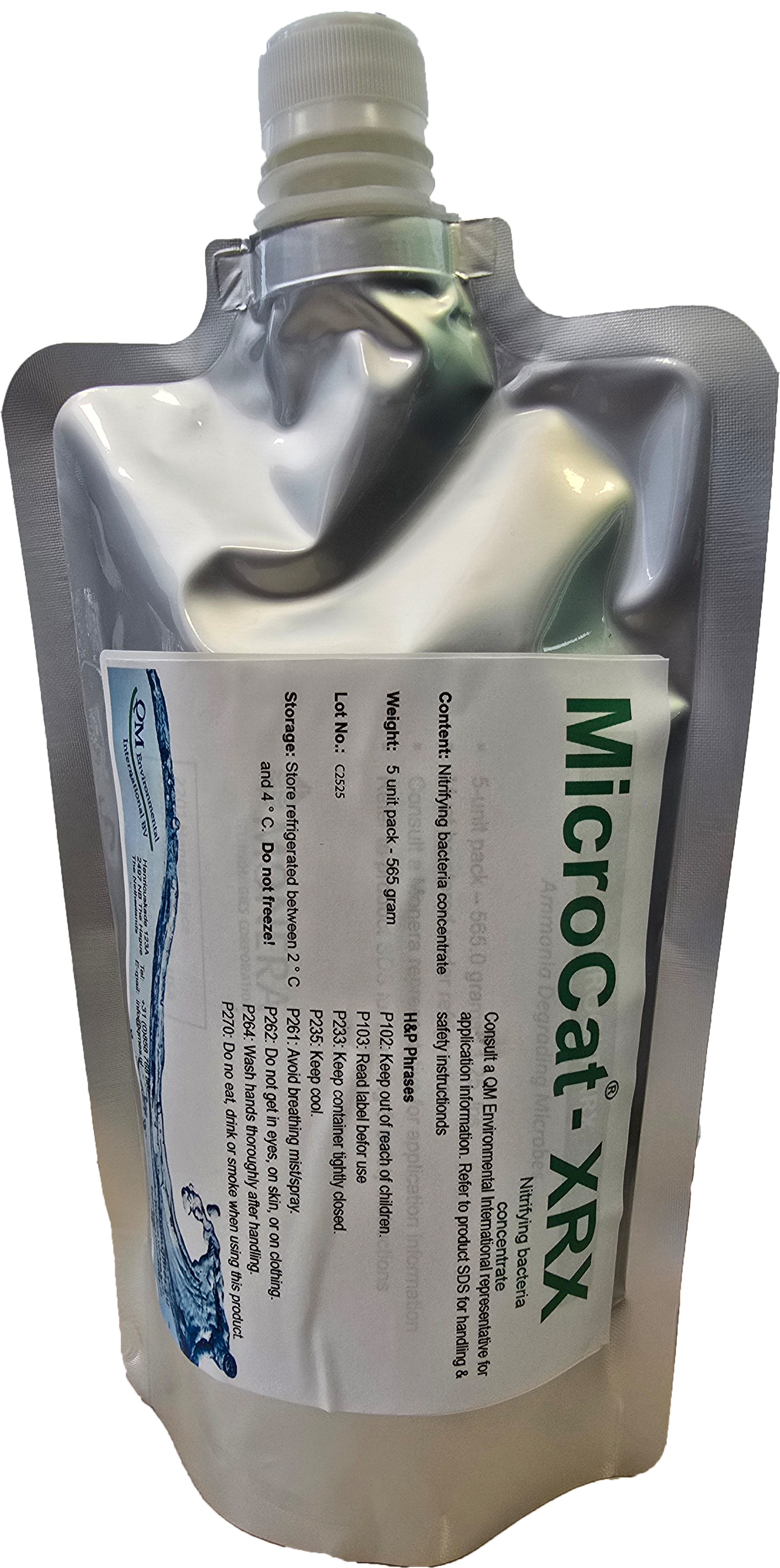
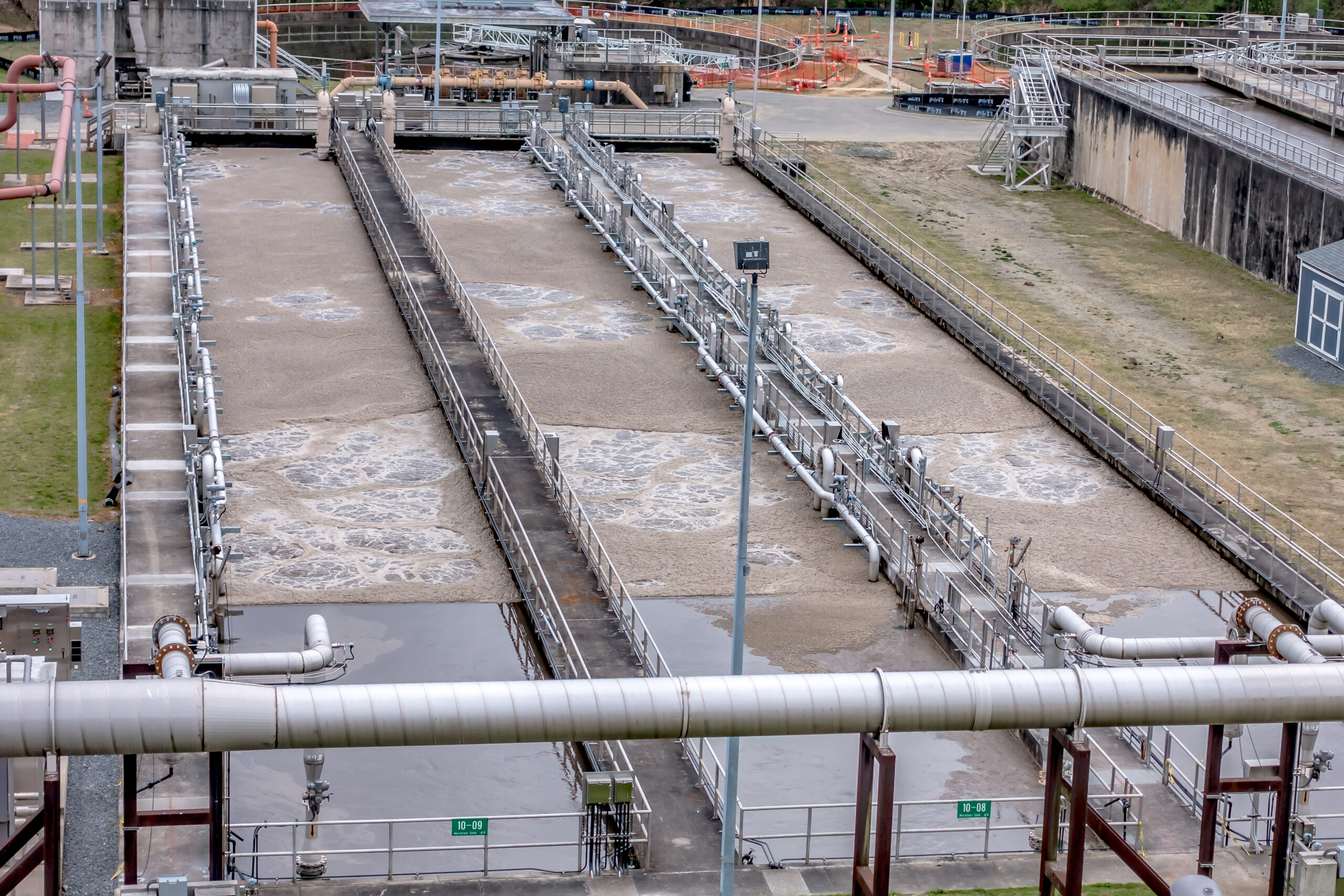
However, nitrification is particularly sensitive to environmental factors in the wastewater treatment plant. The bacteria that carry out this process function optimally within a specific pH range (6.5-8.5) and at temperatures between 15 and 30 degrees Celsius. Deviations in these conditions can seriously slow down or stop the process. The presence of chemical substances, such as heavy metals or toxic compounds, can also inhibit bacterial activity in wastewater treatment plants, which affects the efficiency of the wastewater treatment. Since nitrifying strains such as Nitrosomonas sp. and Nitrobacter sp. are sensitive to this, they quickly disappear from the treatment system.
QM Environmental International supplies nitrifying strains that have proven themselves in hundreds of biological wastewater treatment plants. In this way, the nitrification process can be quickly restored in the event of calamities or maintained when it is under pressure due to low temperatures or the structural presence of toxic substances in the wastewater.
Denitrification
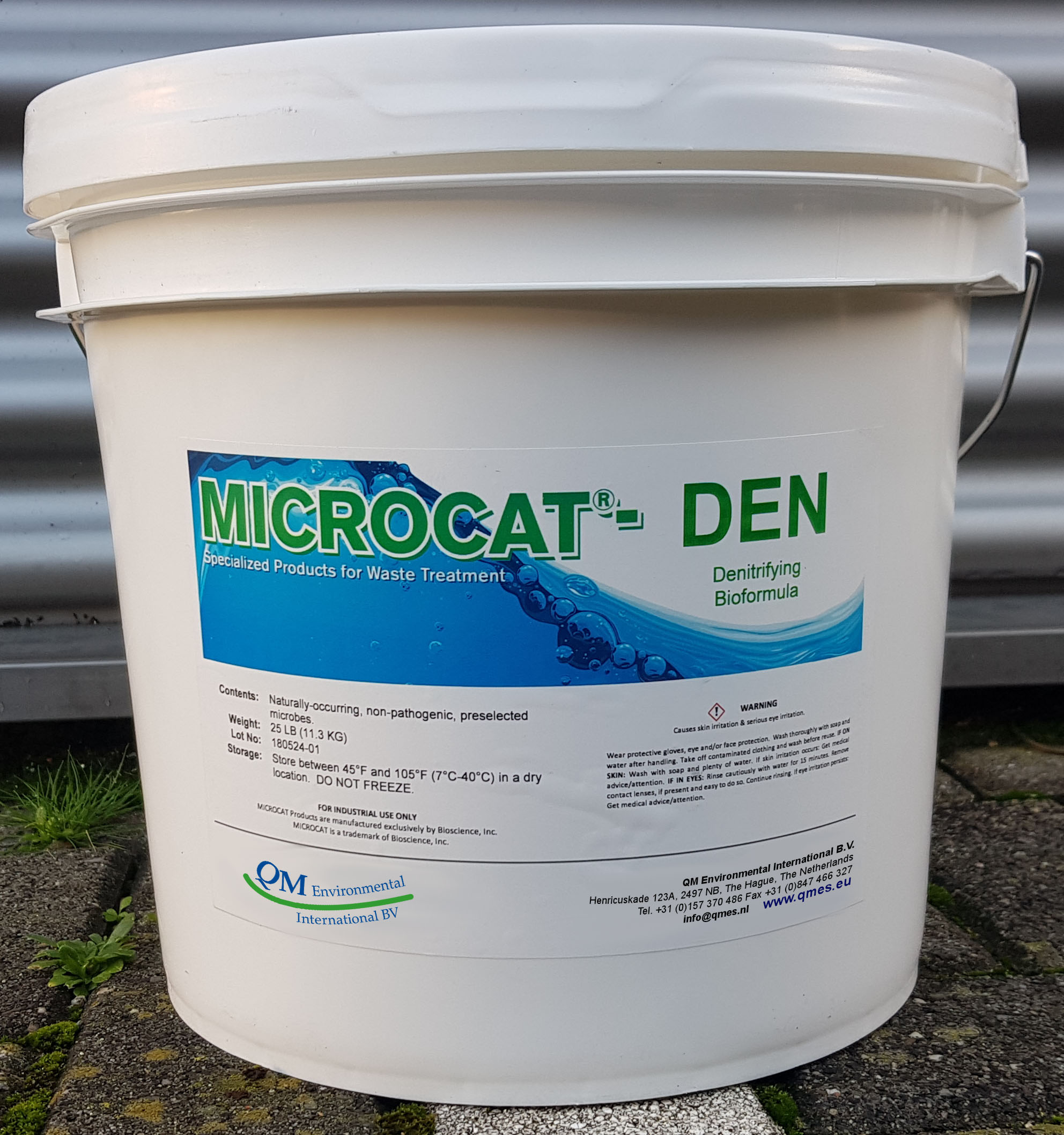
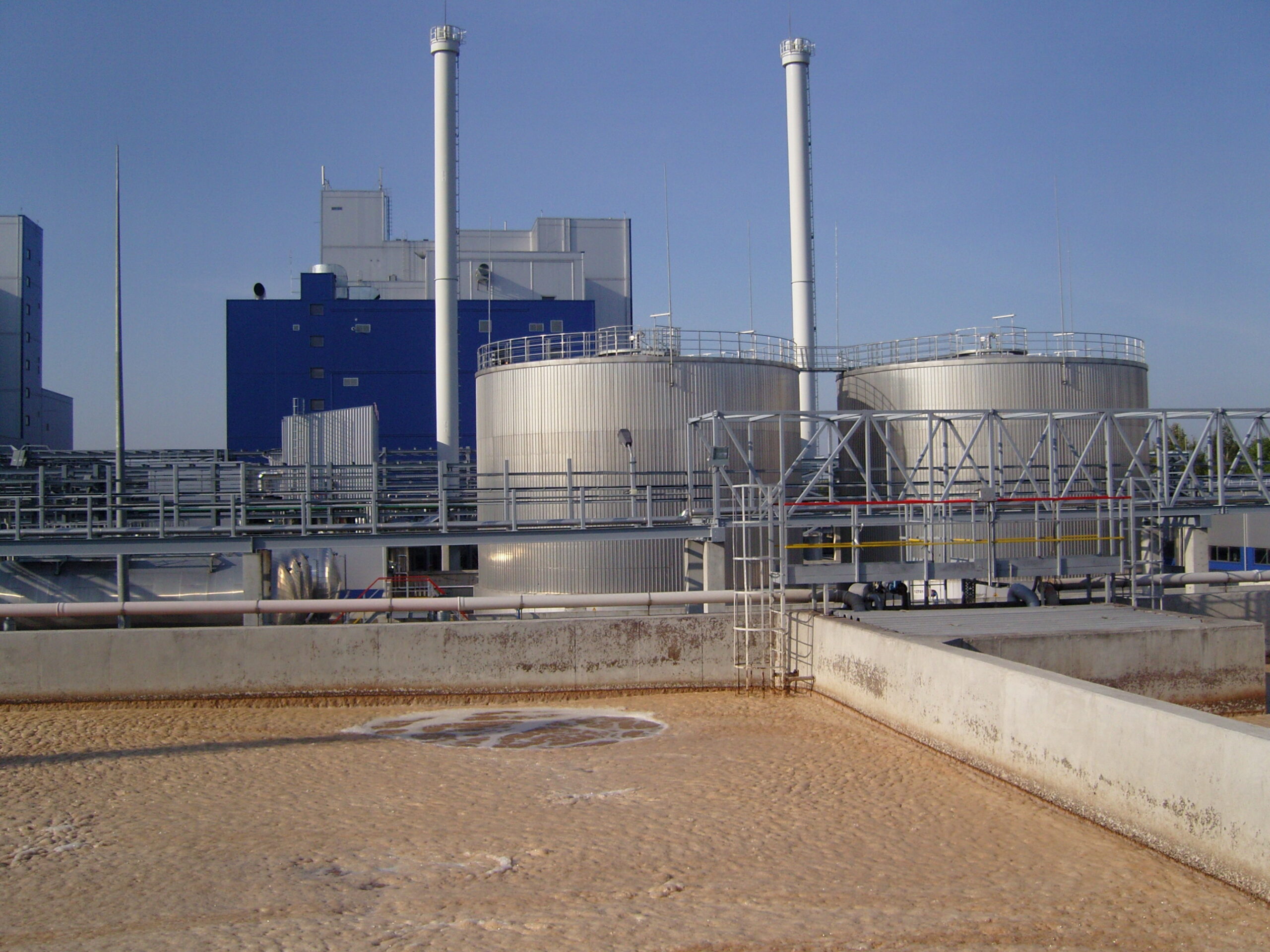
The final step to remove nitrogen from the wastewater is denitrification. In this process, the nitrate formed in nitrification is used by denitrifying bacterial strains as an electron acceptor to oxidize organic material. The nitrate is converted into nitrogen gas that escapes into the atmosphere. It is essential that there is sufficient biologically degradable organic matter, also known as B.O.D., present in the wastewater to allow this process to proceed.
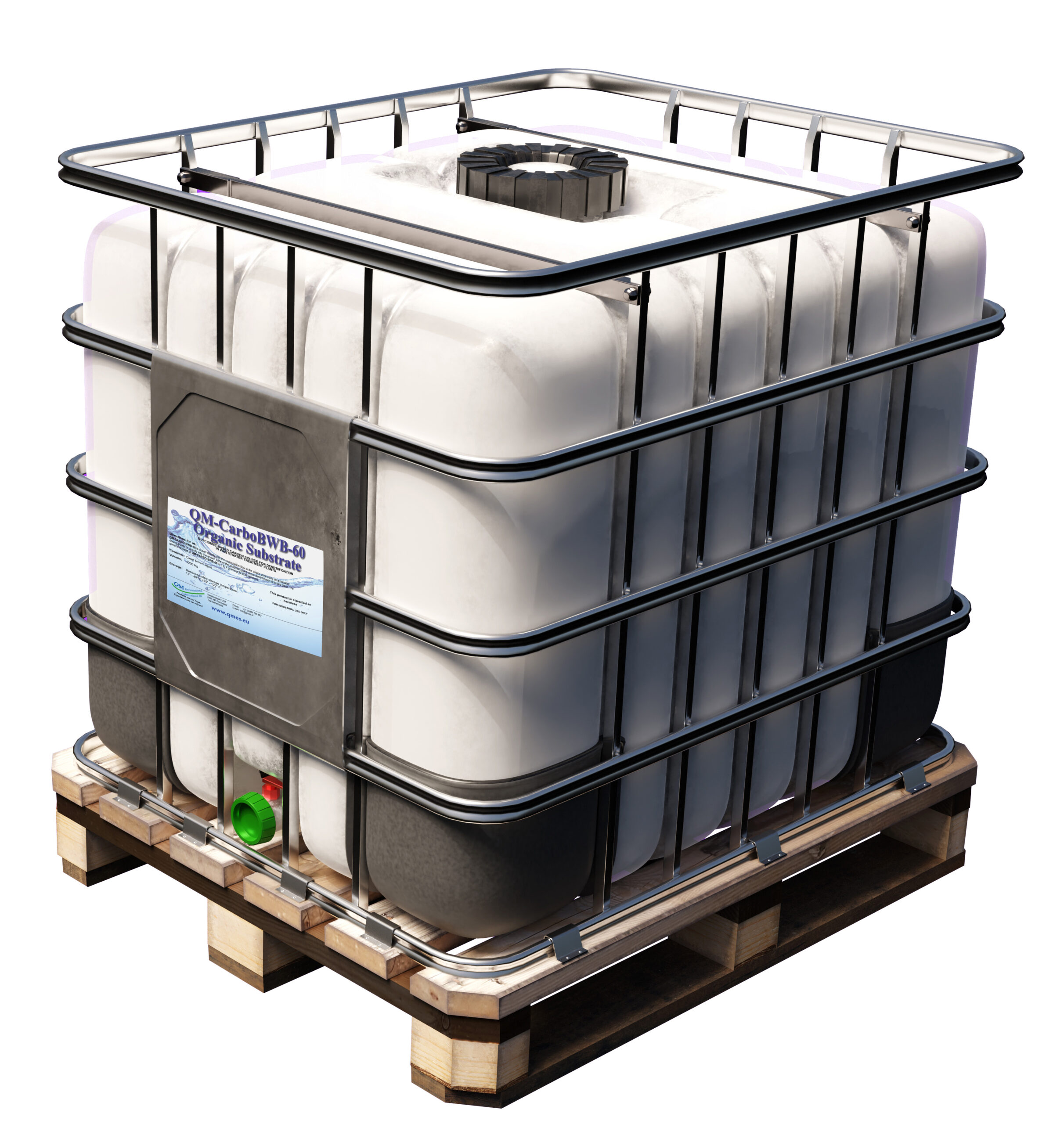
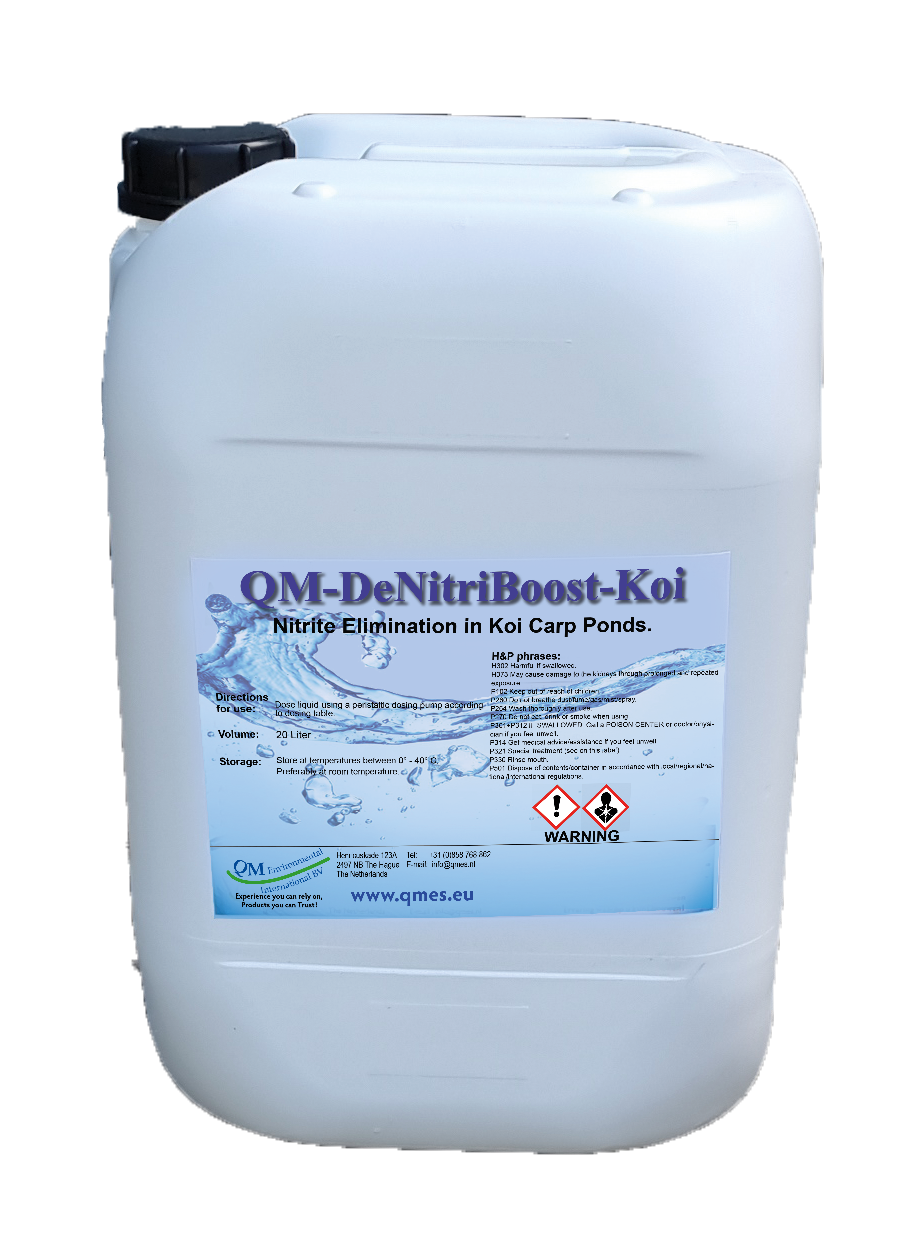
QM also supplies seeding material for denitrification to quickly introduce denitrification, and QM also supplies various organic substrates that provide the necessary BOD to maintain the denitrification process.
Natural & Harmless