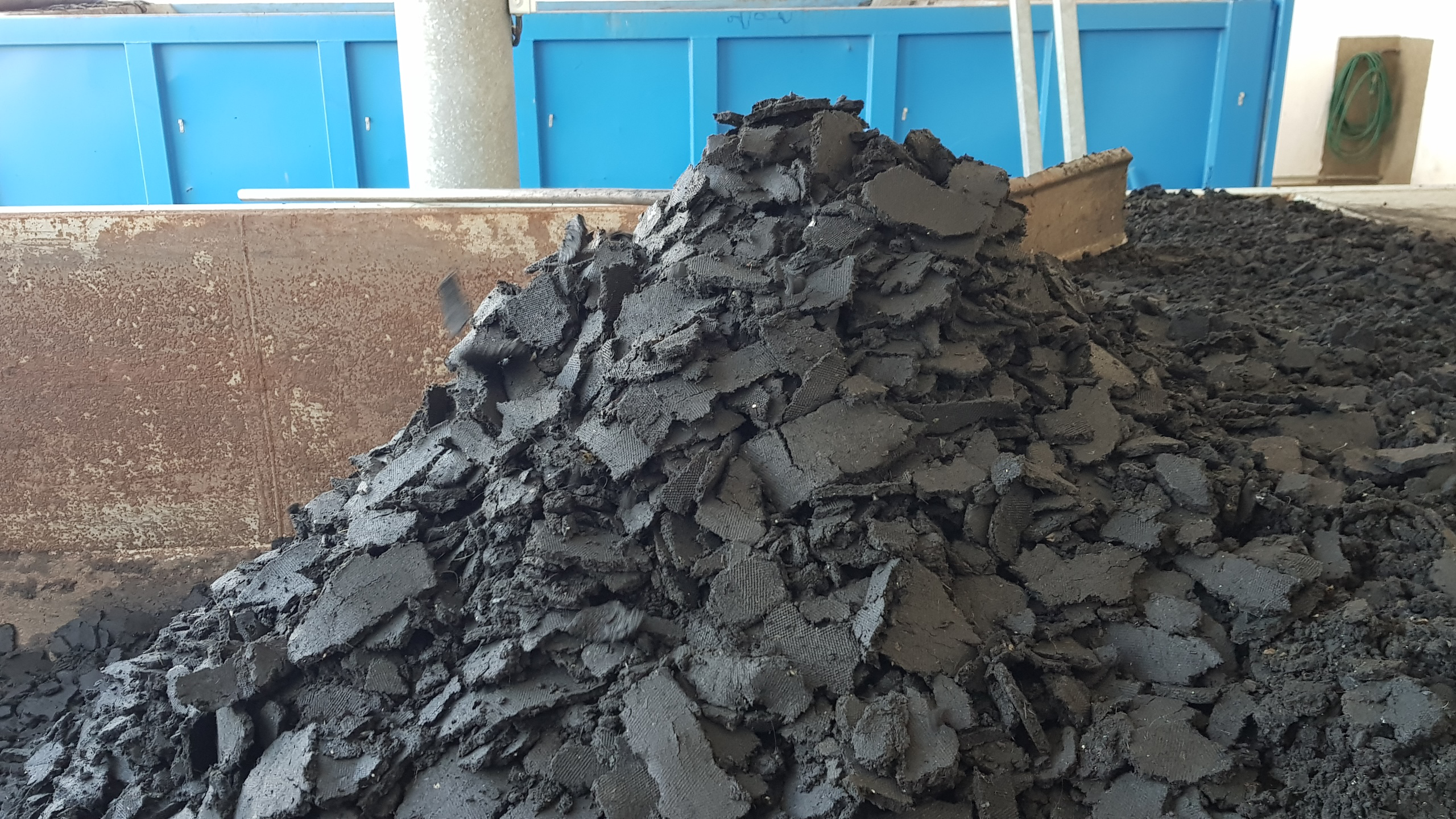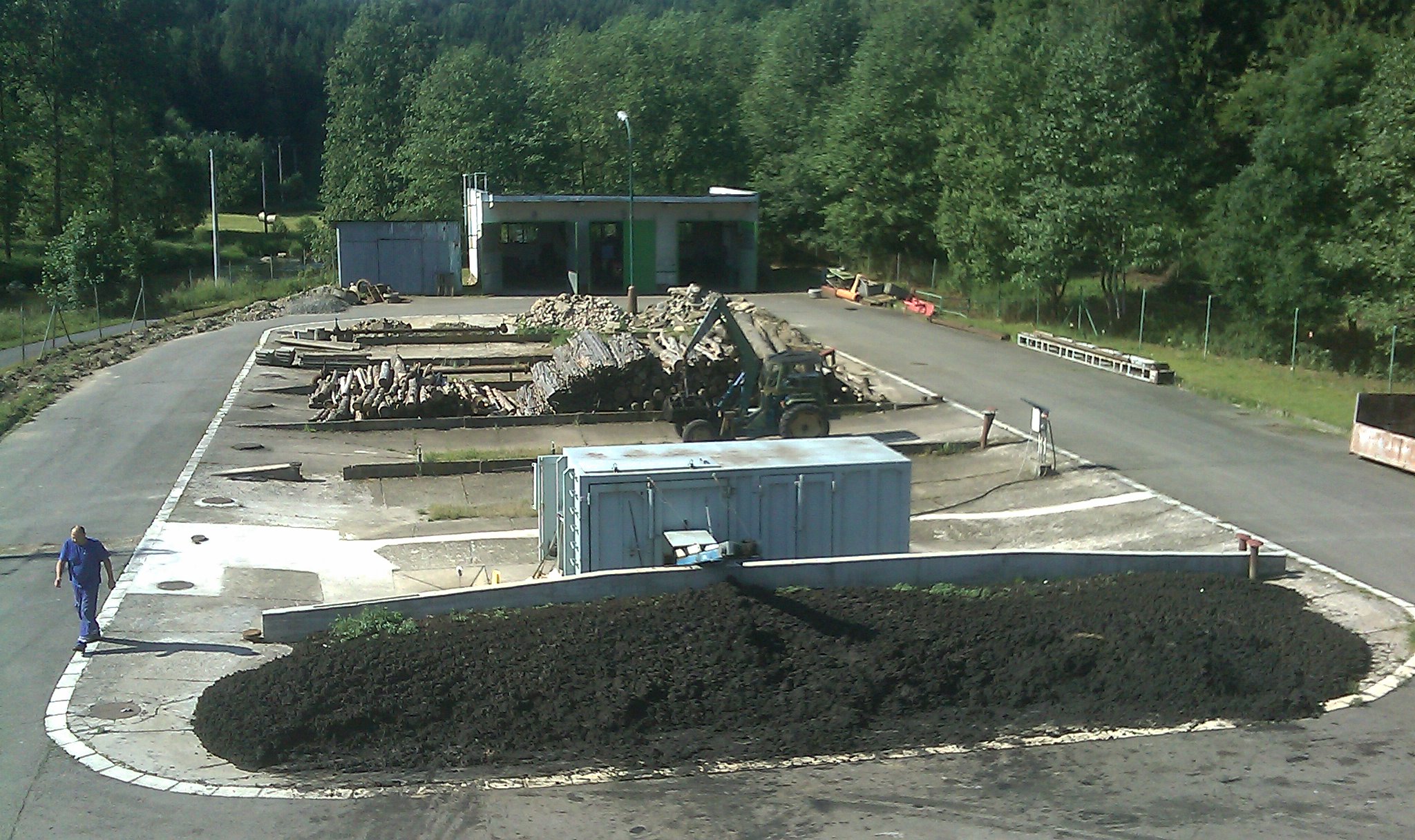

Sludge production is not directly considered a problem, it is part of the biological treatment of wastewater. The biomass converts the incoming BOD(Biological Oxygen Demand) intoCO2 and new biomass. But what we think of as sludge is not just biomass. Sludge contains particles and polymeric substances. Particles are very small components. It contains fats, oils, proteins, polysaccharides and celluloses that can accumulate as an inert part of the MLSS. This inert part also includes dead microbes.
This sludge is separated from the water in the secondary clarifier and part of it is returned to the aeration basin and the other part is dewatered and disposed of. Dewatering and disposal involves costs. Looking at the total budget of a wastewater treatment plant, aeration costs are usually the largest cost, followed by sludge processing. Sludge processing costs in Western Europe vary considerably, depending on the technology used and local conditions. Examples from the Netherlands show that costs can range from €41 to €58 per ton of dewatered sludge with a dry matter content of 23%, excluding transport costs (source: STOWA). Transport costs can add another €5 to €10 per ton depending on the location. It is important to note that these costs are highly dependent on factors such as the chosen processing method, scale of the plant, and regional differences.
Bacteria growing in most sewage treatment plants and industrial wastewater treatment plants with activated sludge prefer to convert the BOD to biomass rather than CO2. As a rule of thumb, 2/3 of the BOD is converted to biomass and 1/3 to CO2, but this varies depending on operational settings.