

Click here
White paper: Electron donor selection at VoCl cleanups
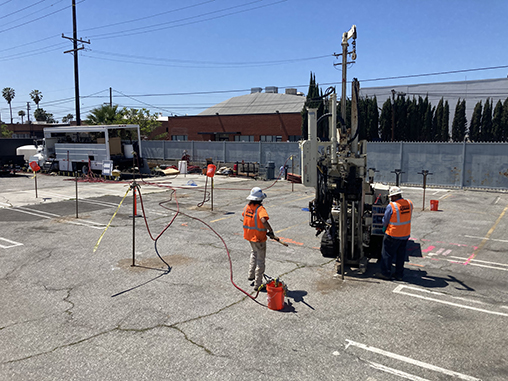
The purpose of this white paper is to provide brief insight into the selection of amendments in in situ VoCl remediation and how amendments behave after they are injected.
Click here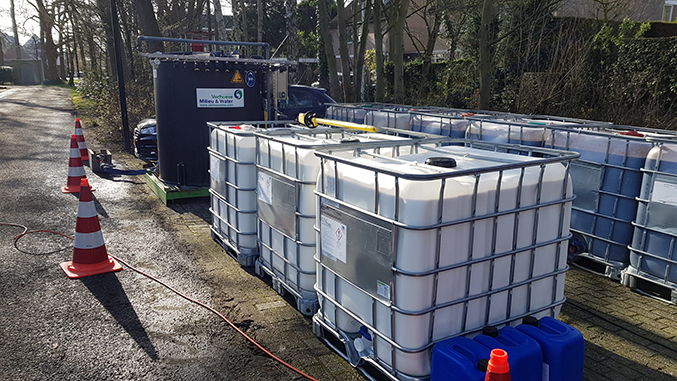
Click here
Permeable reactive barrier for treatment of Trichloroethene (TRI) Plume (English)
This field report describes the formation of a permeable reactive barrier (PRB) with EOS® emulsified oil substrate for treatment of a TRI plume.
Click here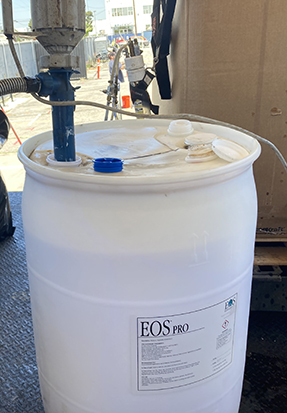
Click here
Give bioremediation a chance - Enhanced reductive dechlorination (ERD) at a challenging site
Despite its effectiveness and low cost to treat chlorinated compounds, biological dechlorination is often overlooked as a remediation alternative when unfavorable biological conditions such as low pH and undetectable microbial activity exist. However, even these sites can be successfully and affordably treated with careful planning with appropriate modifications. This case study describes how EOS products can be used to clean up a site considered unsuitable for bioremediation.
Click here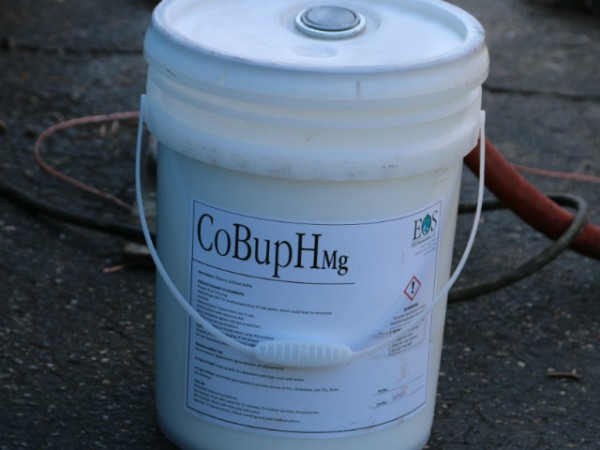
Click here
White paper: pH buffering of the aquifer during reductive dechlorination
This white paper explains the effects of groundwater pH on microbial activity and how buffering can help during remediation projects with enhanced reductive (ERD) dechlorination.
Click here
Click here
The use of CoBuphMg™ to correct groundwater pH
This case study shows how adding CoBupHMg™, a colloidal buffer, can regulate and adjust groundwater pH for enhanced bioremediation.
Click here
Click here
Sulfate Enhanced Bioremediation
This case study describes the use of sulfate to stimulate anaerobic bioremediation of hydrocarbons in groundwater under sulfate-limiting conditions.
Click here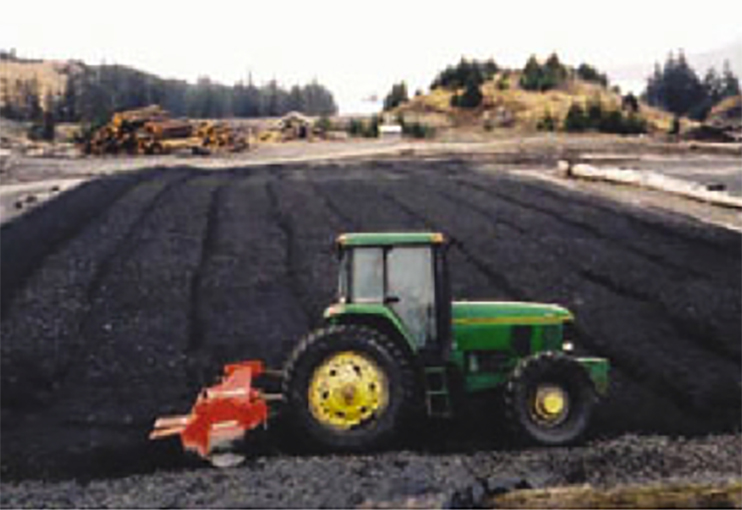
Click here
Biofarming of diesel-contaminated soil
This case study describes how bioaugmentation reduces filaments and foaming in a municipal wastewater treatment plant, allowing more treated water to be reused for irrigation purposes.
Click here


